
On June 10, 2026,The University of Languages and International Studies - Vietnam National University, Hanoi organized a professional seminar in the field of Educational Psychology with the participation of speakers from international universities. The event was jointly organized by the Faculty of Psychology and Liberal Education and the Community of Practice in Applied Psychology and Education (COP 09), aiming to provide an academic forum for experts to share experiences, introduce perspectives on Educational Psychology, and discuss issues arising in the current educational context.

Representing ULIS at the seminar were leaders and lecturers from the Faculty of Psychology and Liberal Education, members of the COP in Applied Psychology and Education, and educators interested in the field.
The seminar featured Prof. Mike Yough, Professor of Educational Psychology at Oklahoma State University (USA), and Dr. Jati Ariati, Vice Dean for Academic Affairs and Student Affairs at Diponegoro University (Indonesia).
Opening the program, Prof. Mike Yough delivered a presentation entitled “Building a Career - Developing an Academic Program: Reflections from an Educational Psychology Program in the United States.” Drawing on his personal experiences in studying, researching, and teaching, he highlighted a number of practical issues related to professional development, particularly different forms of learning motivation and strategies for fostering autonomous motivation. Through a series of open-ended questions, the presentation encouraged participants to reflect more deeply on selecting learning environments, collaborators, and pathways for personal growth.
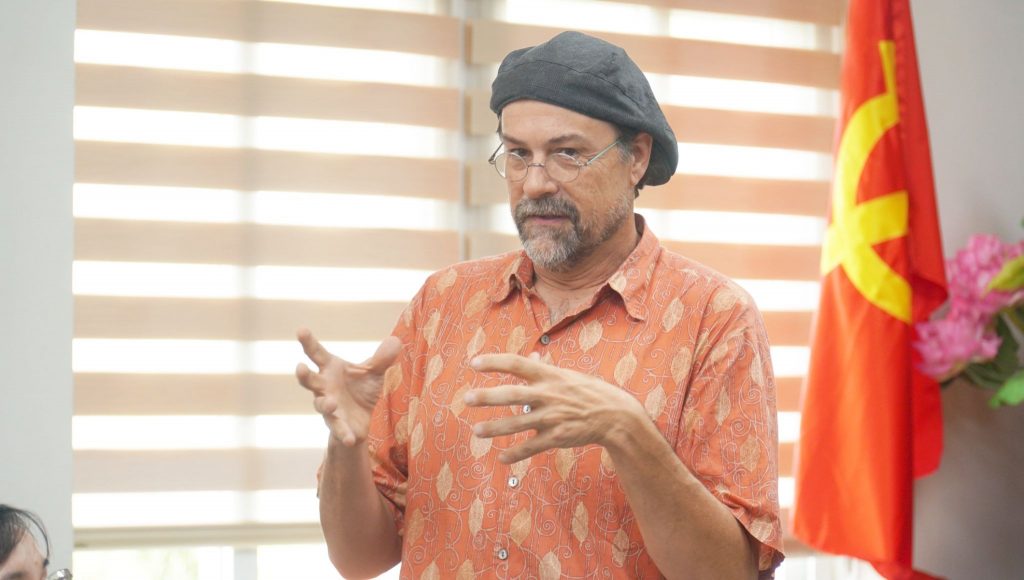
From the perspective of curriculum development, Prof. Mike Yough emphasized the importance of clearly defining a program’s identity and development goals. Drawing from his institution’s experience, he shared how the program had evolved over time, from adjusting educational orientations and streamlining unsuitable content to focusing on the core foundations of Educational Psychology, namely learning and development.
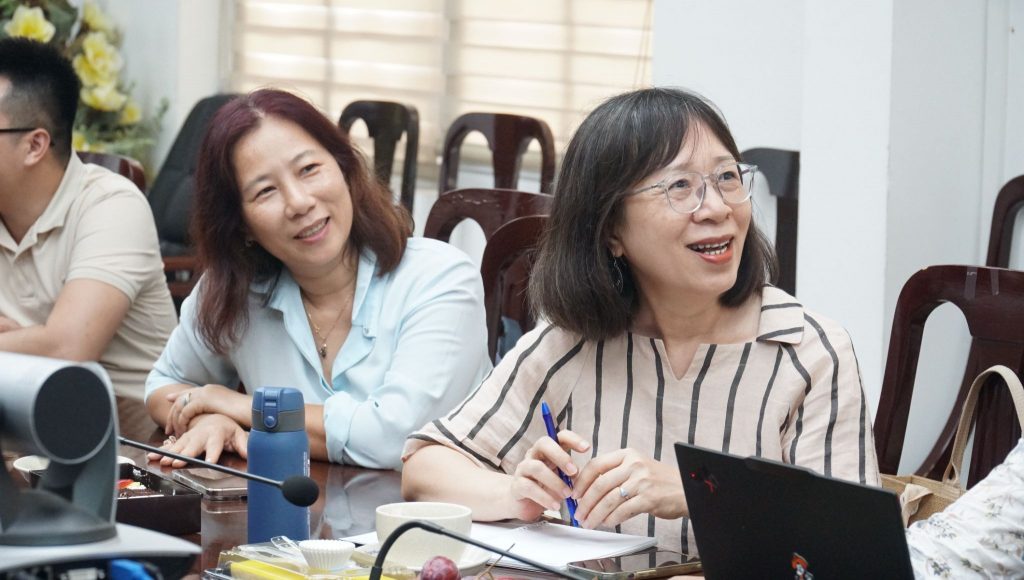
In addition, the speaker addressed challenges such as building academic reputation and expanding research opportunities. He also introduced initiatives including doctoral scholarship programs and research laboratories designed to support learners. The discussion session that followed was highly engaging, with numerous questions related to fostering student motivation in the classroom, providing lecturers with practical insights for their teaching activities.
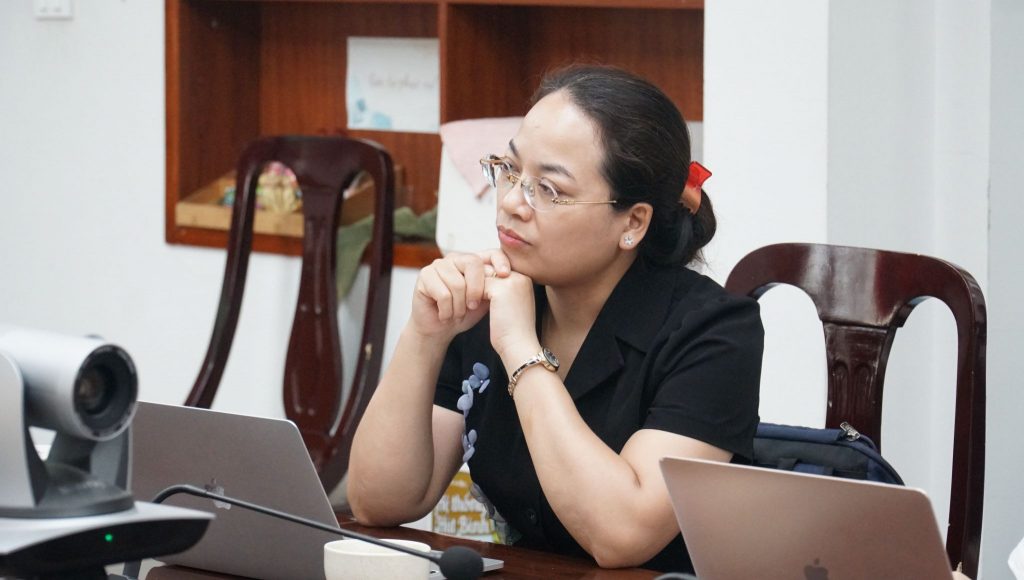
Continuing the program, Dr. Jati Ariati presented a report entitled “Artificial Intelligence: Opportunities for Collaboration and Challenges for Learners.” Her presentation focused on the application of artificial intelligence in education, particularly through the TPACK framework, which serves as a foundation for integrating technology into teaching and learning. The framework requires educators not only to possess strong subject knowledge but also to understand how knowledge can be effectively conveyed through technology. Dr. Ariati emphasized the importance of using AI appropriately to enhance learning outcomes rather than relying entirely on technology.
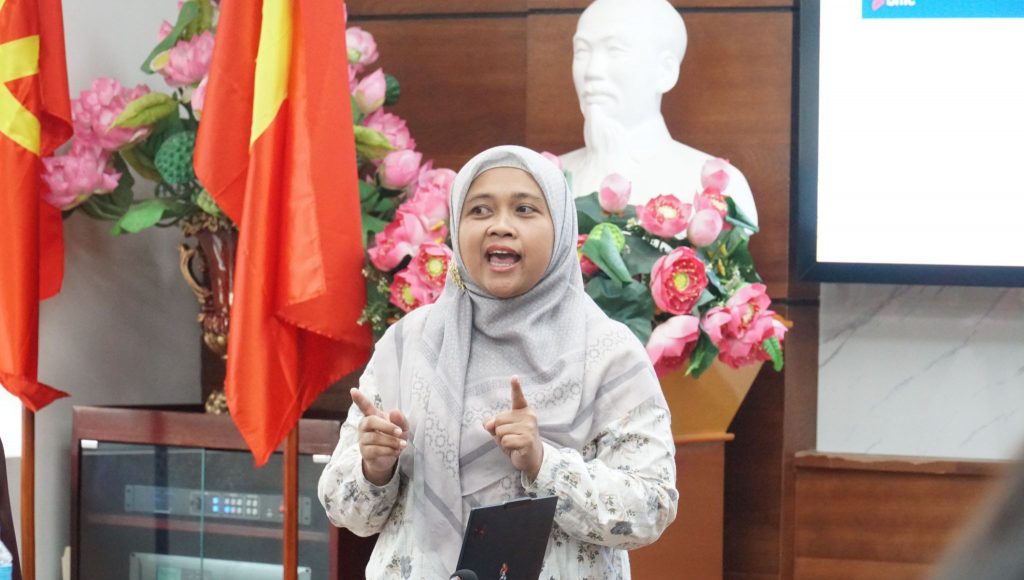
Through practical examples, such as student short-film projects involving varying levels of AI application - from no AI usage, to AI-assisted production, to fully integrated AI approaches - Dr. Ariati illustrated the role of AI in promoting creativity and collaboration. At the same time, she pointed out potential negative impacts, including feelings of inferiority when comparing oneself to AI and a diminished sense of personal competence. These concerns highlighted the need to develop both skills and appropriate awareness among learners.
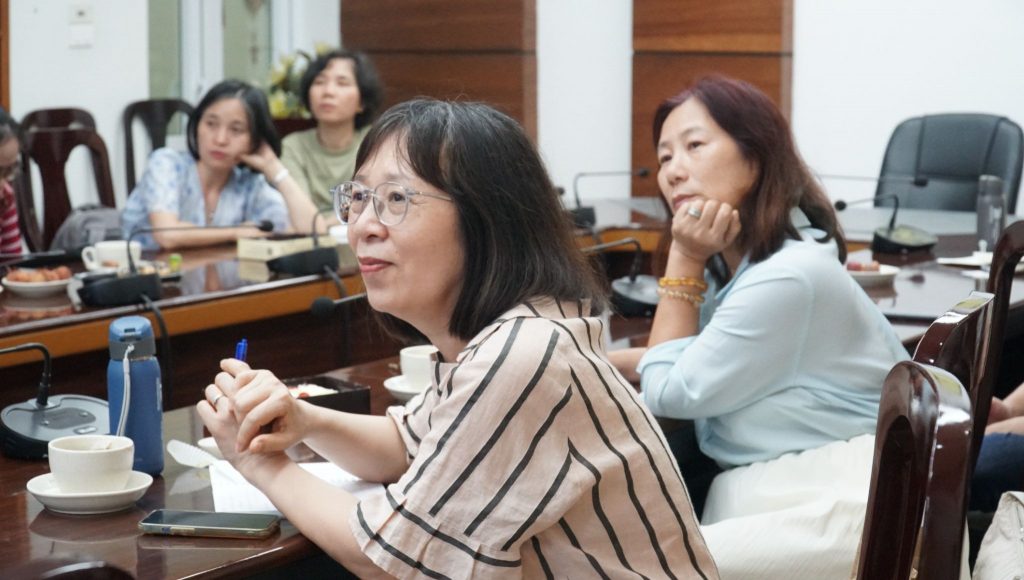
The discussion session continued to attract significant interest, with participants raising questions about how AI can be used effectively and responsibly in educational settings. Drawing on her personal experiences, Dr. Ariati provided practical perspectives that may help guide lecturers in integrating technology into their teaching practices.
The seminar took place in an open and dynamic academic atmosphere, featuring thoughtful exchanges among participating lecturers. The presentations not only shed light on key issues in Educational Psychology but also opened up new approaches to teaching and research, particularly in the context of ongoing digital transformation.
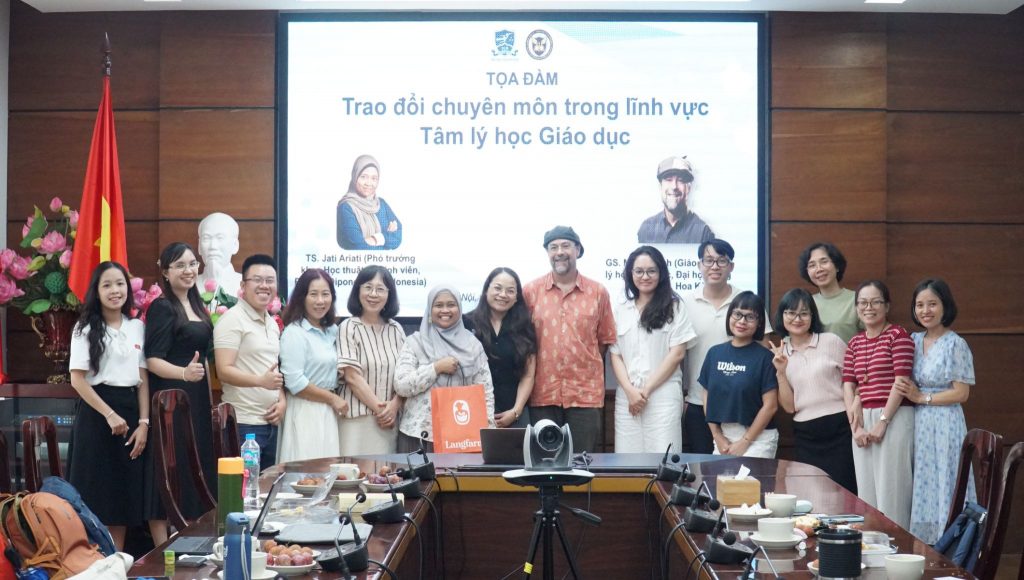
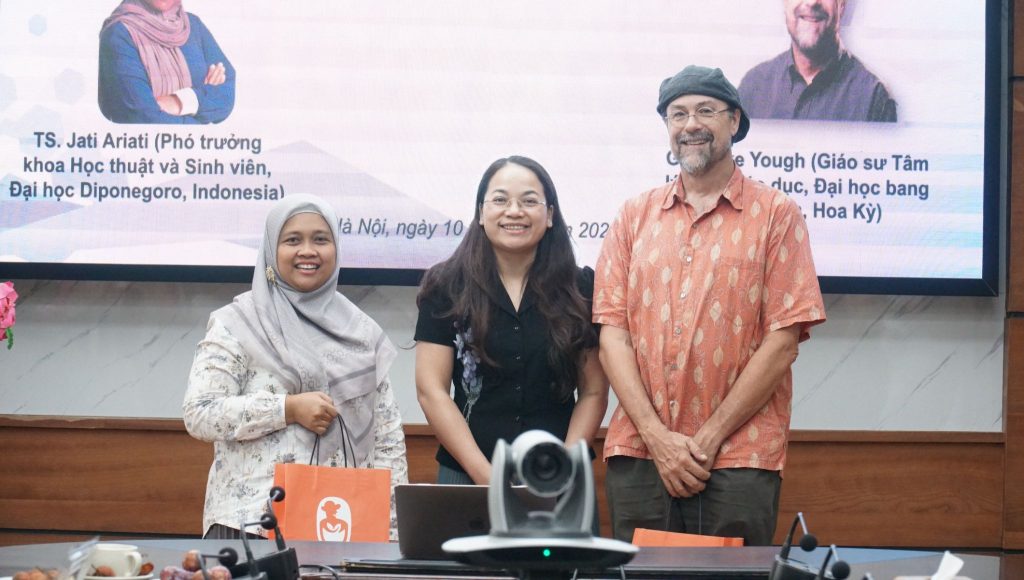
At the conclusion of the program, representatives of the Faculty of Psychology and Liberal Education presented commemorative gifts to the two speakers. The seminar ended with a group photo session, leaving participants with many positive impressions.