
Vibrant International Chinese Language Day 2026 at ULIS
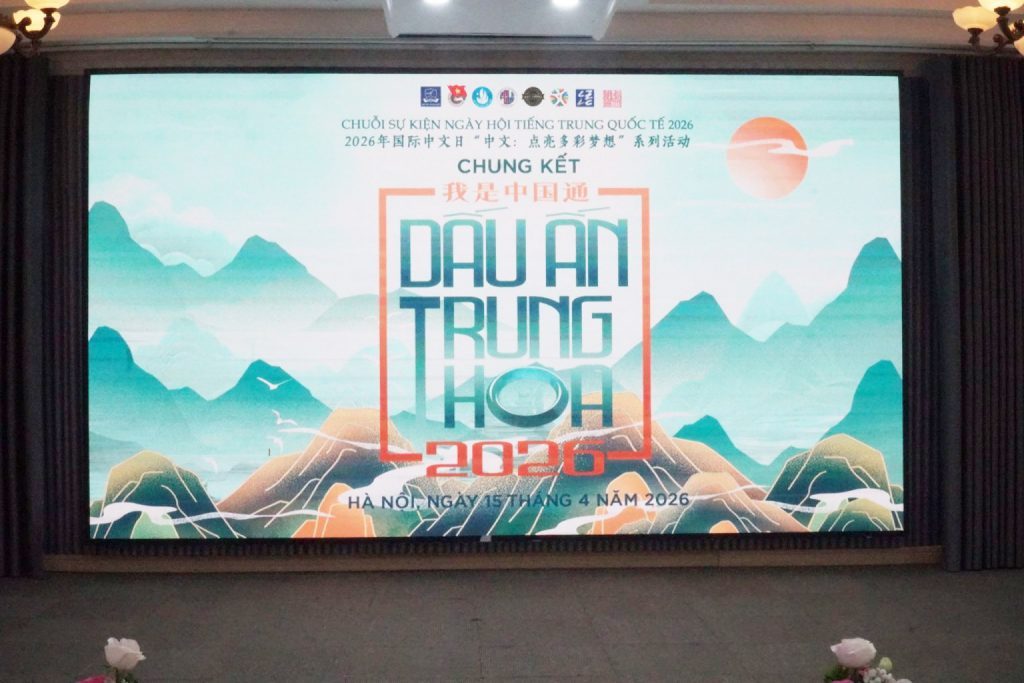
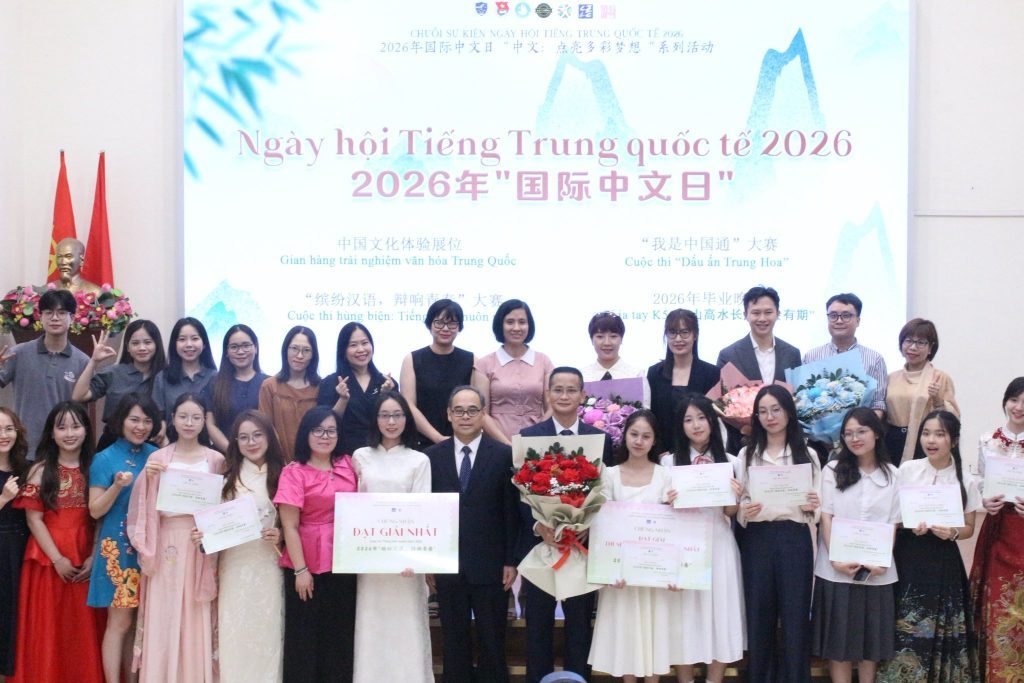
On April 15, 2026, the University of Languages and International Studies (ULIS), Vietnam National University, Hanoi, hosted the International Chinese Language Day 2026 with a wide range of engaging and meaningful activities, attracting the participation of numerous lecturers and students.
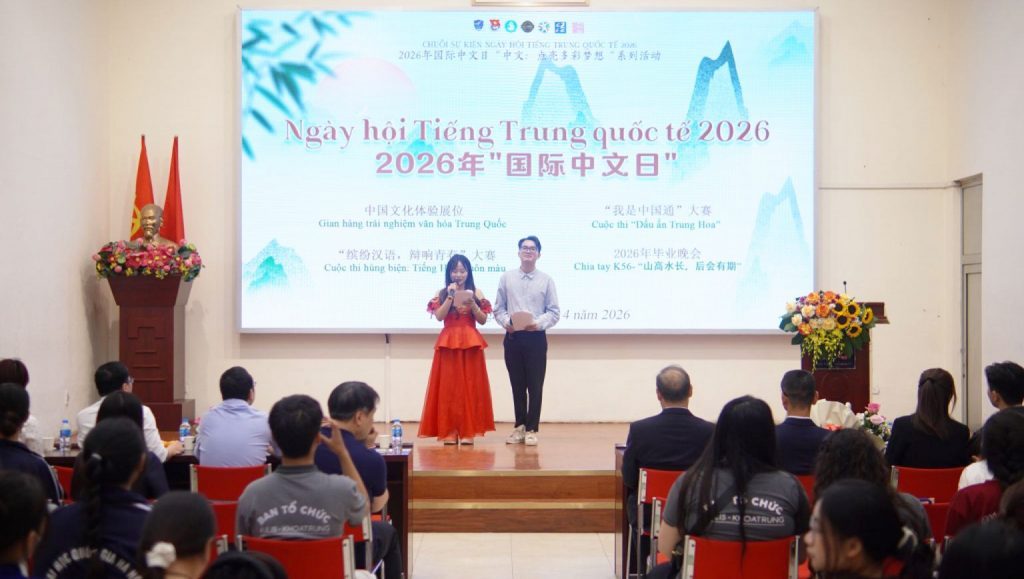
International Chinese Language Day, celebrated annually on April 20 in many countries worldwide, including Vietnam, is organized at various institutions, especially universities specializing in Chinese language education. The event provides learners with opportunities to explore the Chinese language and culture while strengthening friendship and cooperation between Vietnam and China.
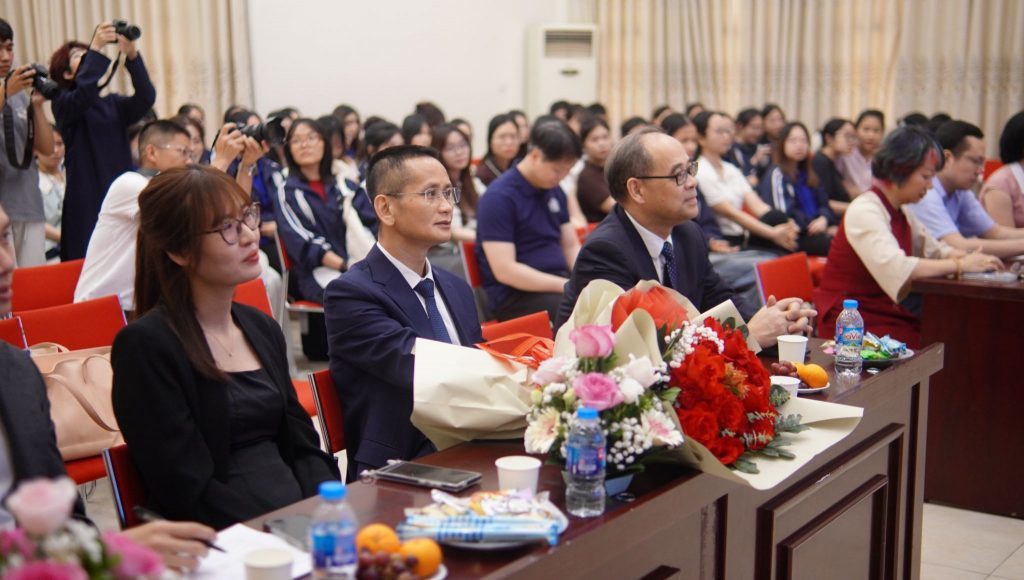
Representing the University of Languages and International Studies (ULIS), Vietnam National University, Hanoi were Assoc. Prof. Dr. Ha Le Kim Anh - Vice President of the University; Mr. Luu Manh Kien, Head of the Office of Science, Technology and Development Cooperation; Dr. Nguyen Dinh Hien, Dean of the Faculty of Chinese Language and Culture; together with faculty members, staff, and students of the Faculty of Chinese Language and Culture.
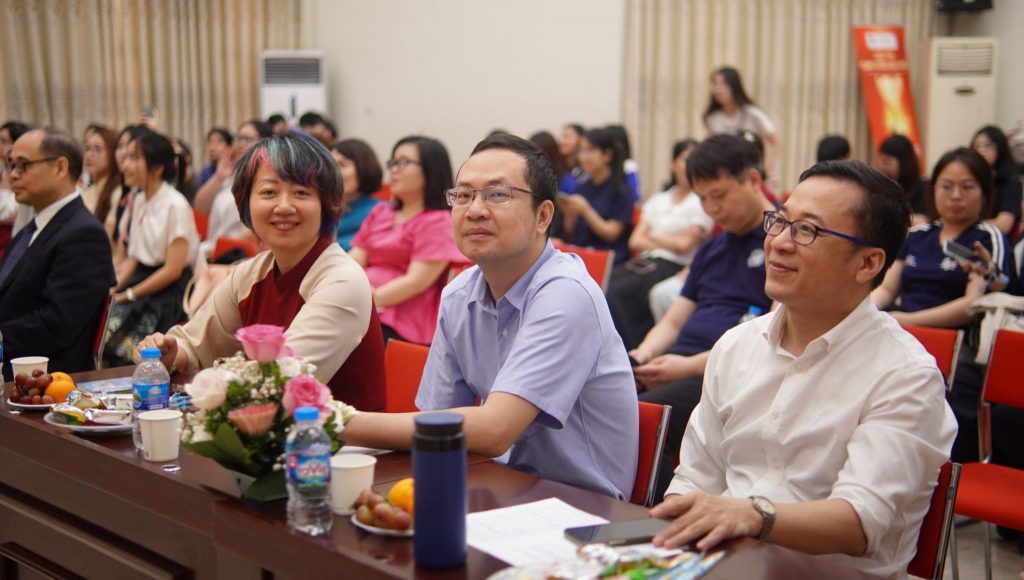
The series of activities for International Chinese Language Day 2026 was organized with the aim of creating a meaningful and beneficial platform where students could showcase their talents and further explore the Chinese language and culture, while also strengthening exchanges and connections between the younger generations of Vietnam and China. In addition, the experiential activities were designed to enhance intercultural communication competence, develop soft skills, and foster students’ respect for cultural diversity.
In her remarks, Vice Rector Ha Le Kim Anh emphasized the significance of International Chinese Language Day in creating an academically and culturally enriching environment for students, while promoting exchanges, connectivity, and greater mutual understanding among cultures. She affirmed that, in the context of deep international integration, learning foreign languages - especially Chinese, not only opens up numerous academic and career opportunities, but also helps students develop a global mindset and become adaptable, internationally competent citizens.
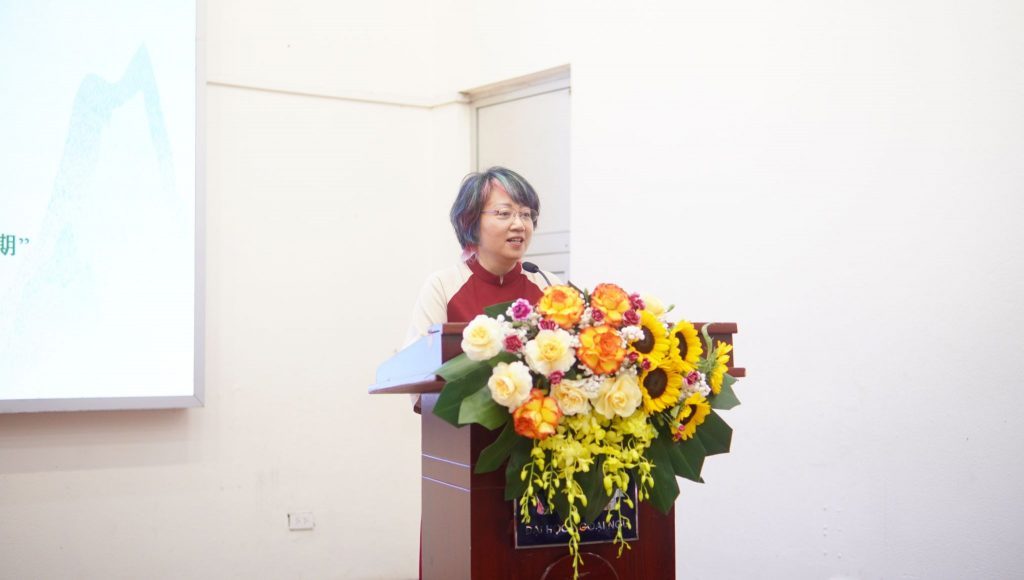
The Vice Rector also highly appreciated the close cooperation between the Faculty of Chinese Language and Culture and its partners, especially the support and companionship of the Chinese Embassy in Vietnam in organizing the program. She expressed her hope that the event would continue to be maintained and expanded as a meaningful annual activity, contributing to spreading enthusiasm for learning Chinese and improving the quality of education at the University.
Also speaking at the event, Mr. Luo Yaoguang, Education Counselor of the Chinese Embassy in Vietnam, highlighted the significance of International Chinese Language Day as a United Nations initiative honoring linguistic diversity and promoting global cultural exchange. He noted that, as Vietnam - China relations continue to develop strongly, the Chinese language is playing an increasingly important role in economic connectivity, trade cooperation, and people-to-people exchanges, creating numerous educational and career opportunities for learners.
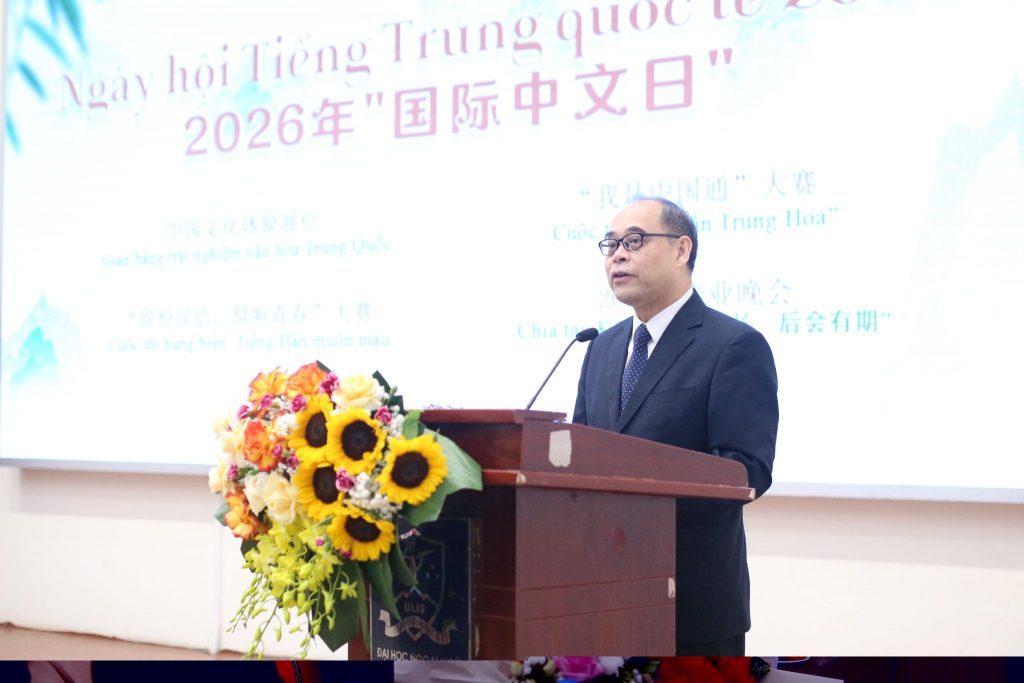
Furthermore, he stressed that Chinese is not merely a language, but also a “bridge” that enables younger generations to realize their aspirations, from teaching and research to participation in fields such as economics, technology, and international exchange. He expressed hope that students would become the next generation contributing to the friendship between the two countries, while taking full advantage of the growing career opportunities arising from increasing demand for Chinese-speaking professionals.
International Chinese Language Day 2026 featured a wide range of diverse activities, structured as a journey reflecting students’ progress in mastering Chinese throughout each academic year.
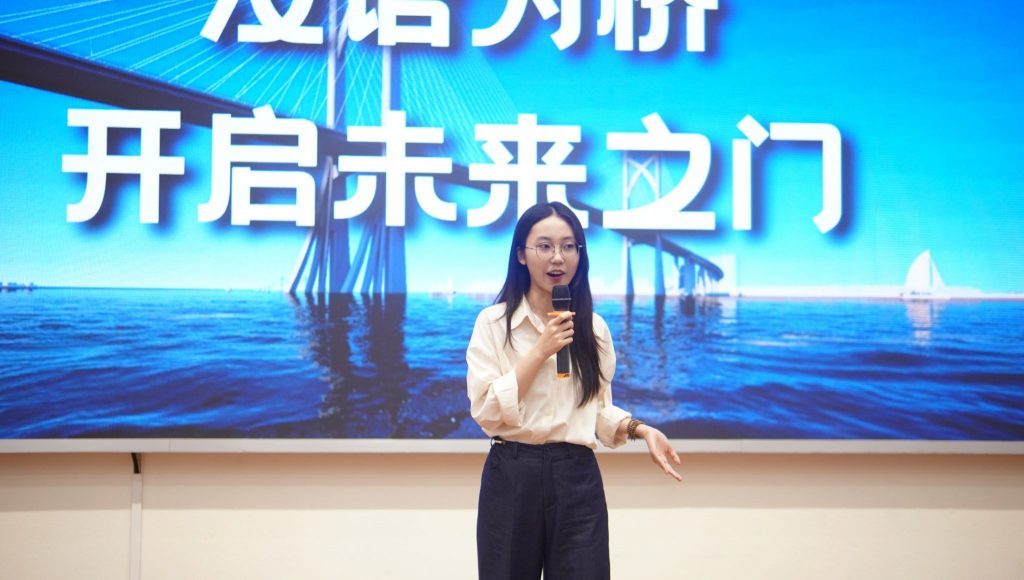
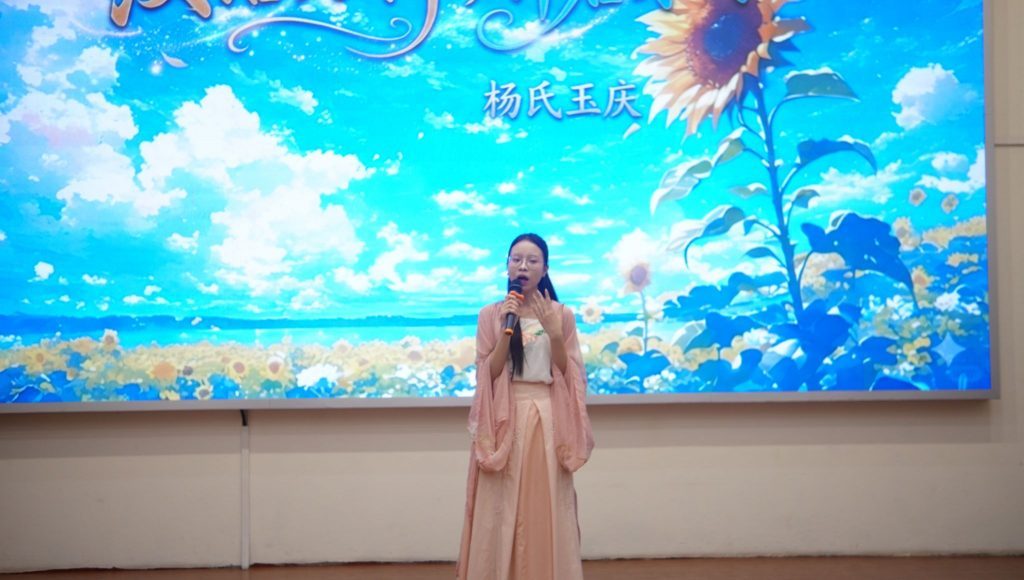
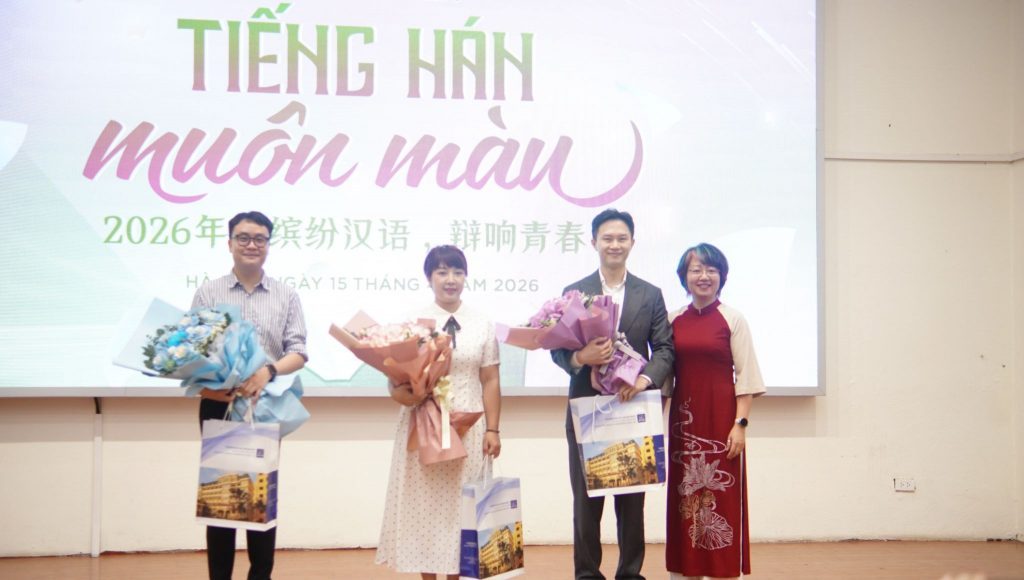
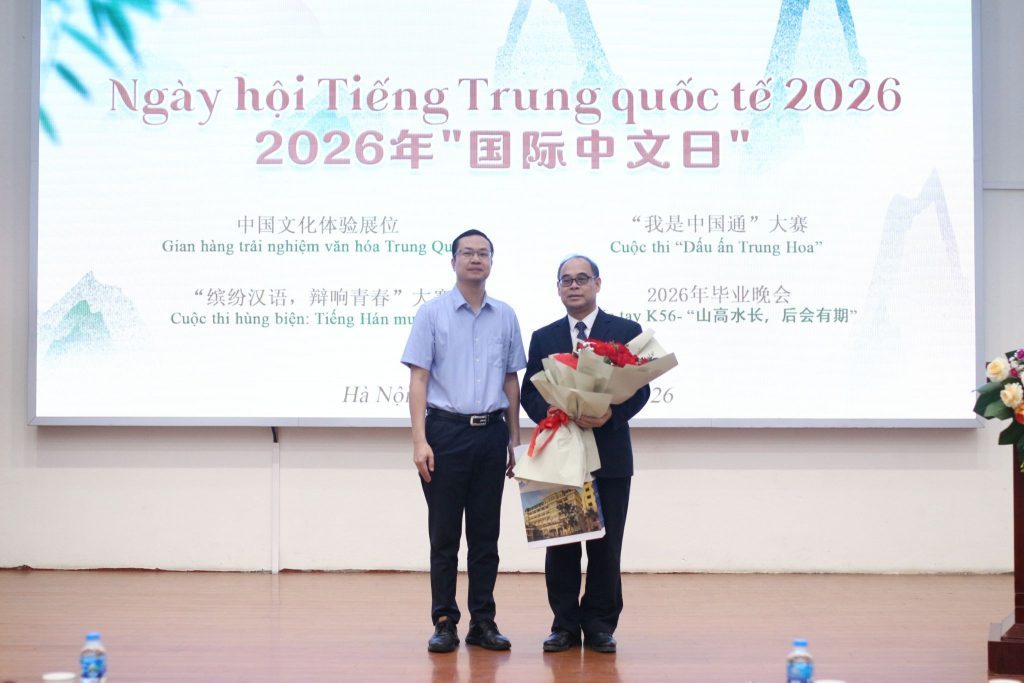
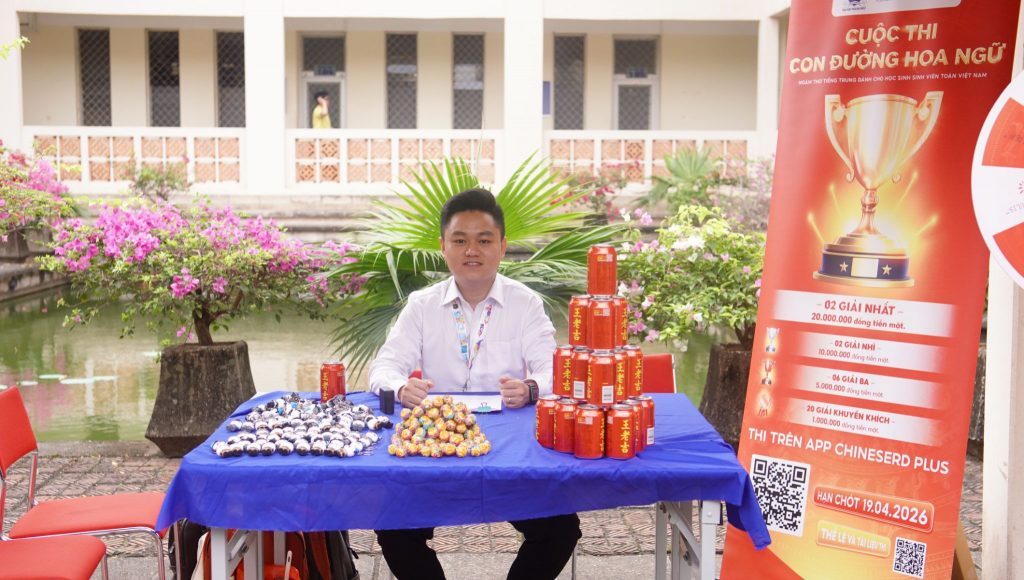

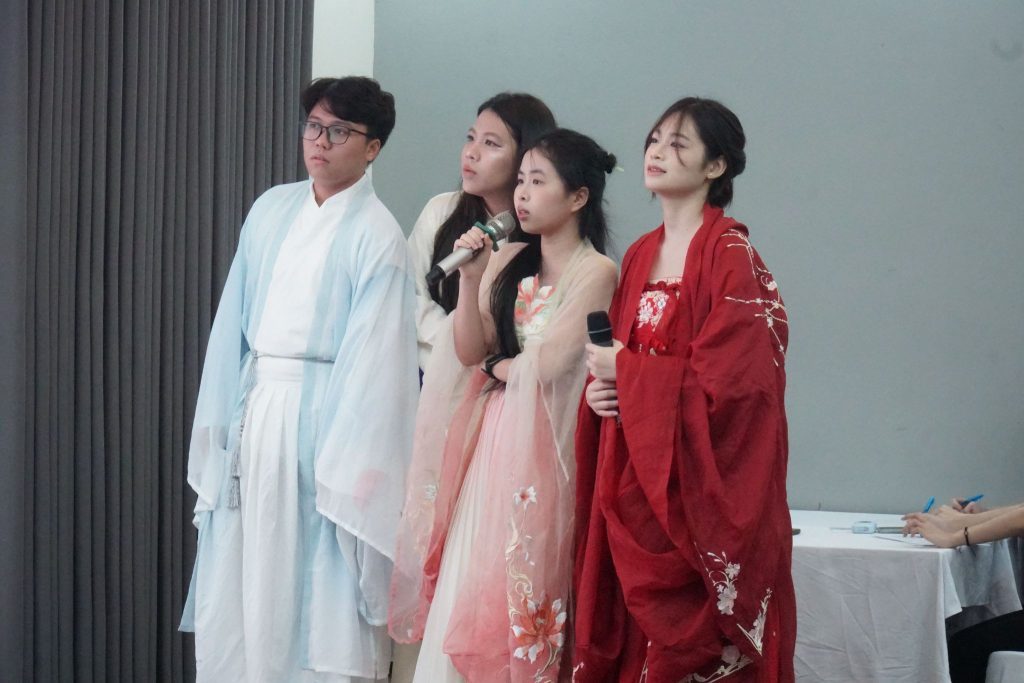
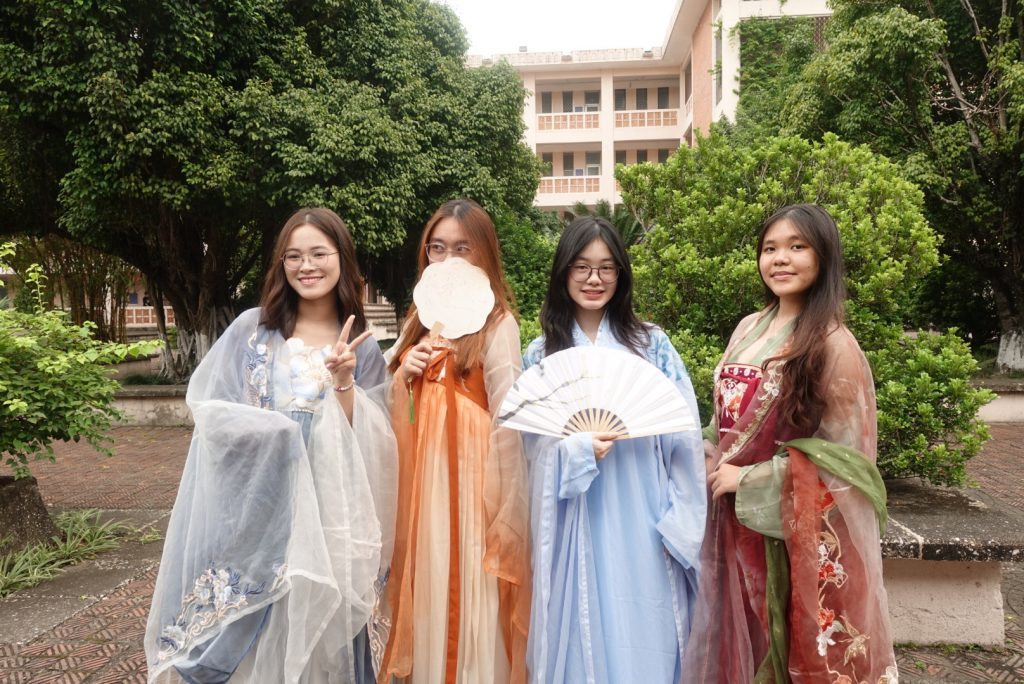

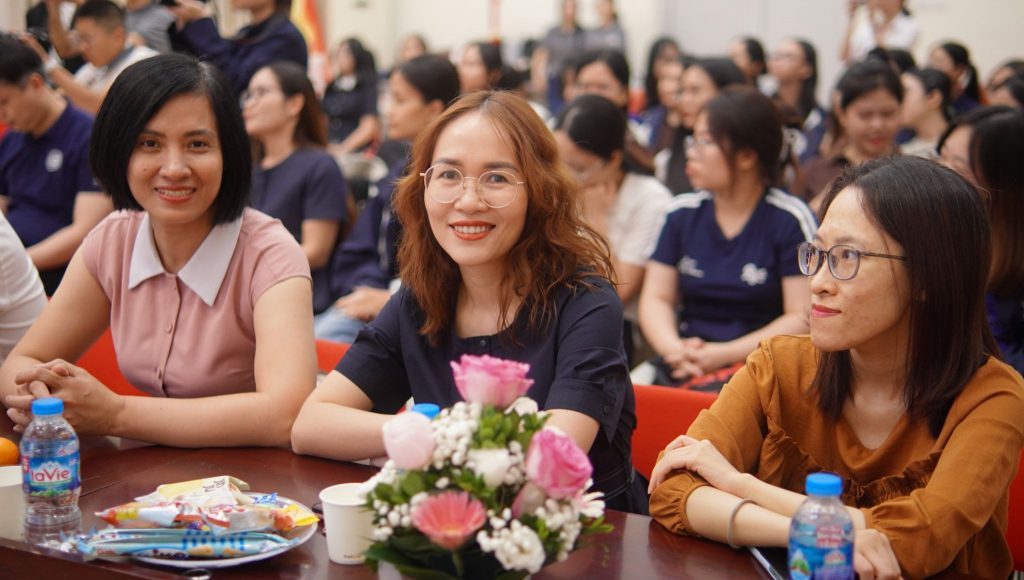
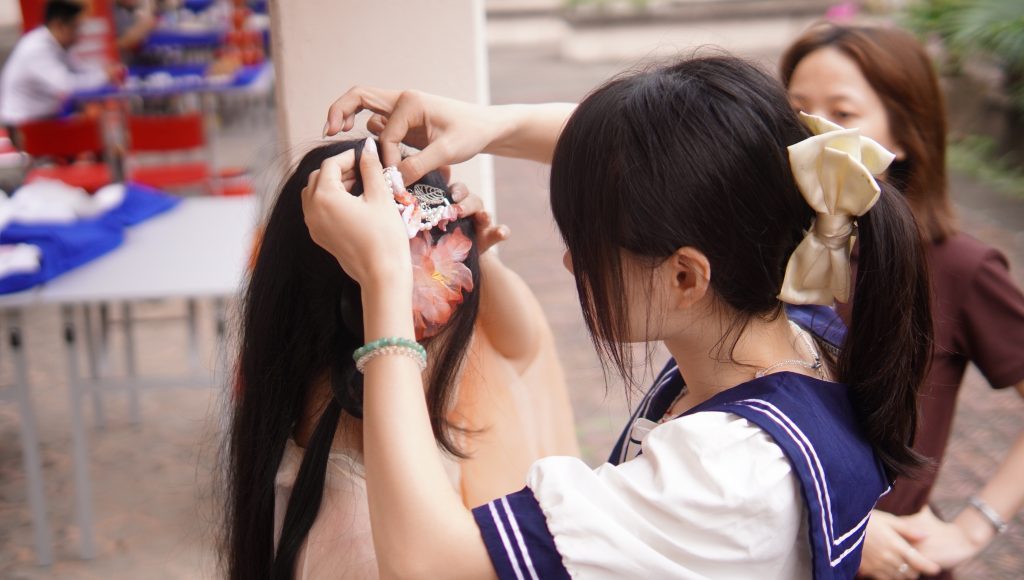
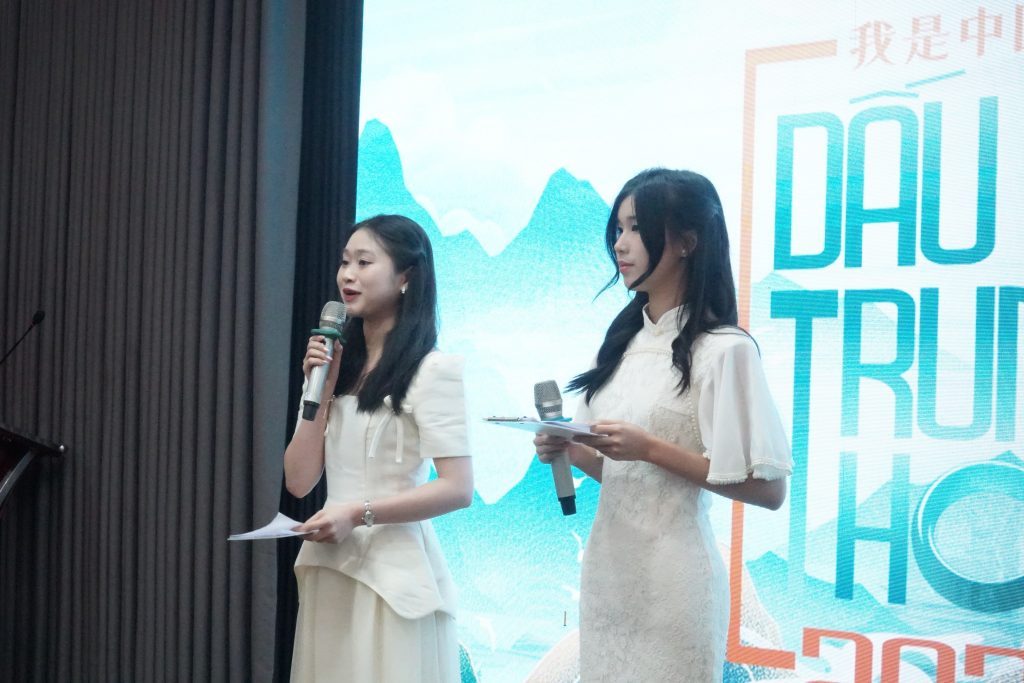

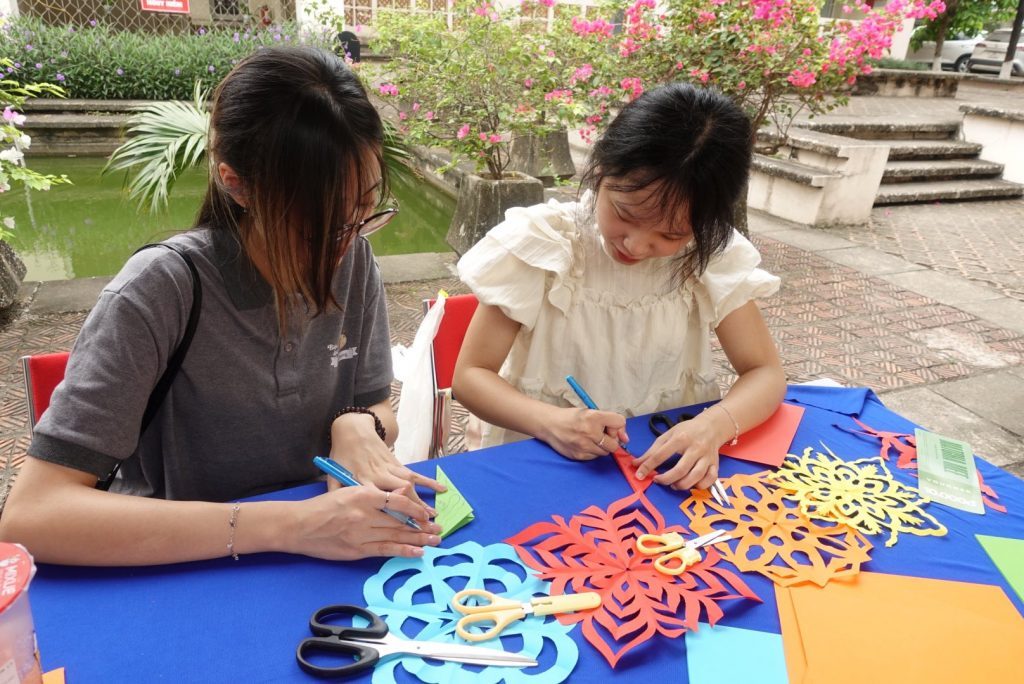
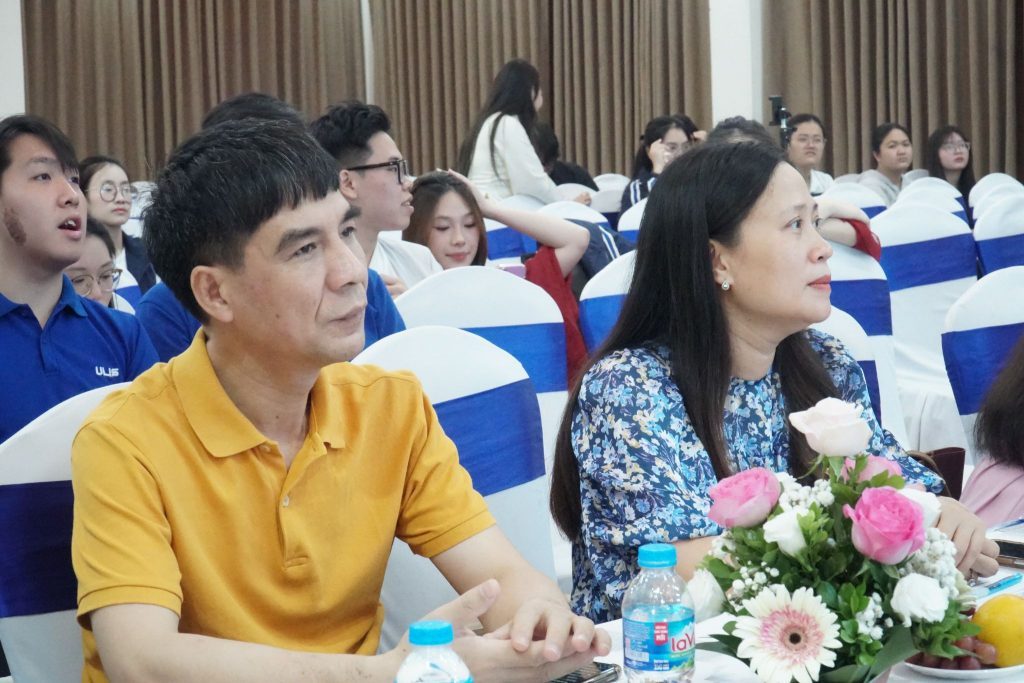
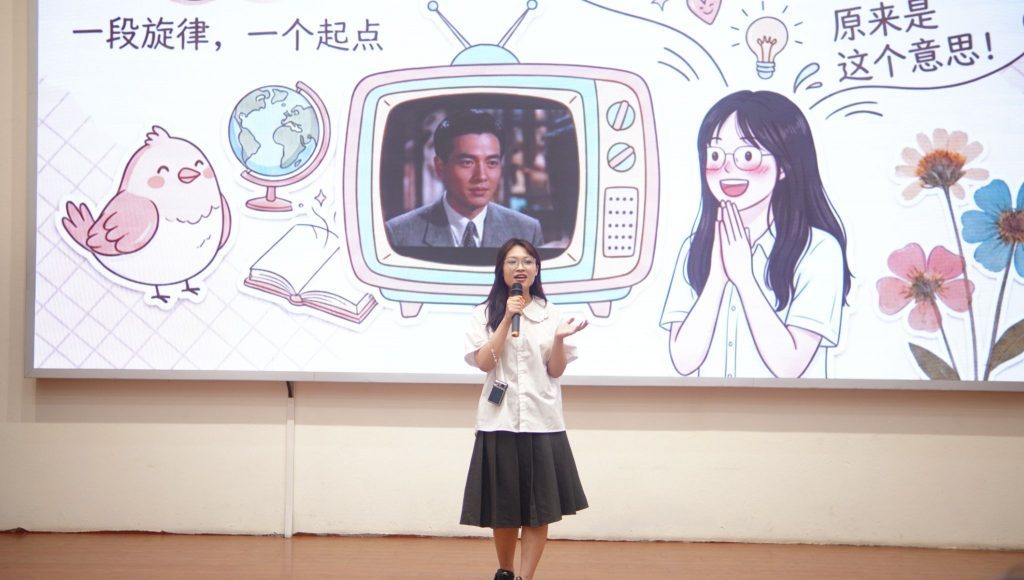
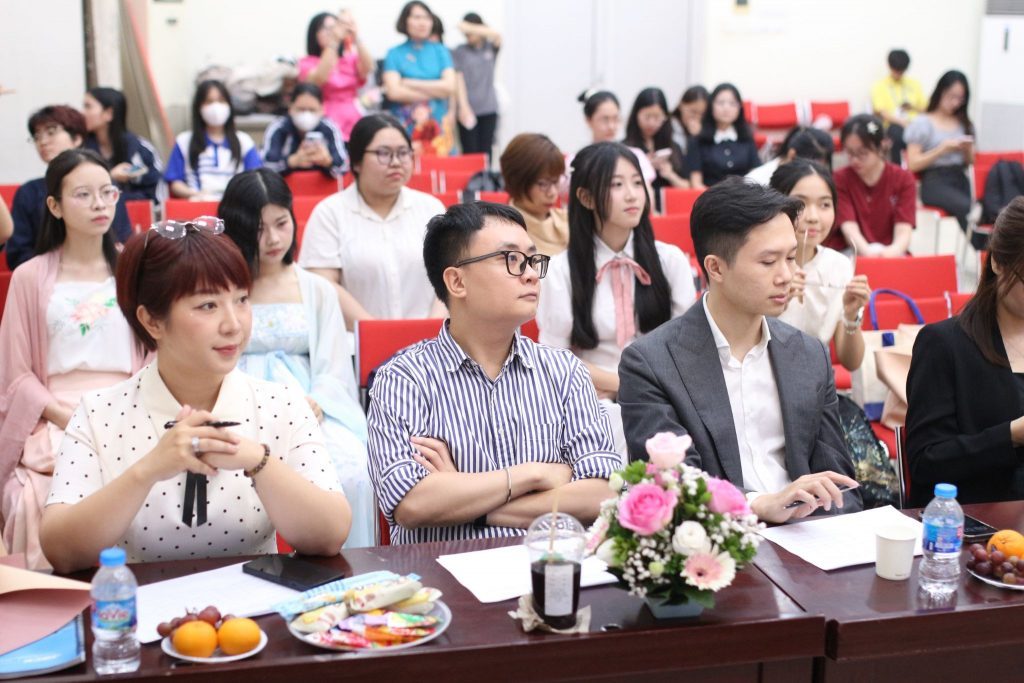
International Chinese Language Day was not only a meaningful academic and cultural platform, but also contributed to strengthening connections among students across cohorts, developing soft skills, and spreading enthusiasm for foreign language learning in an international environment. The success of the event once again affirmed the University’s commitment to building a dynamic, globally integrated, and culturally distinctive learning environment.
Phương Linh/ĐSTT