
Scientific Seminar: Recent Research on the Brain of Multilingual Users
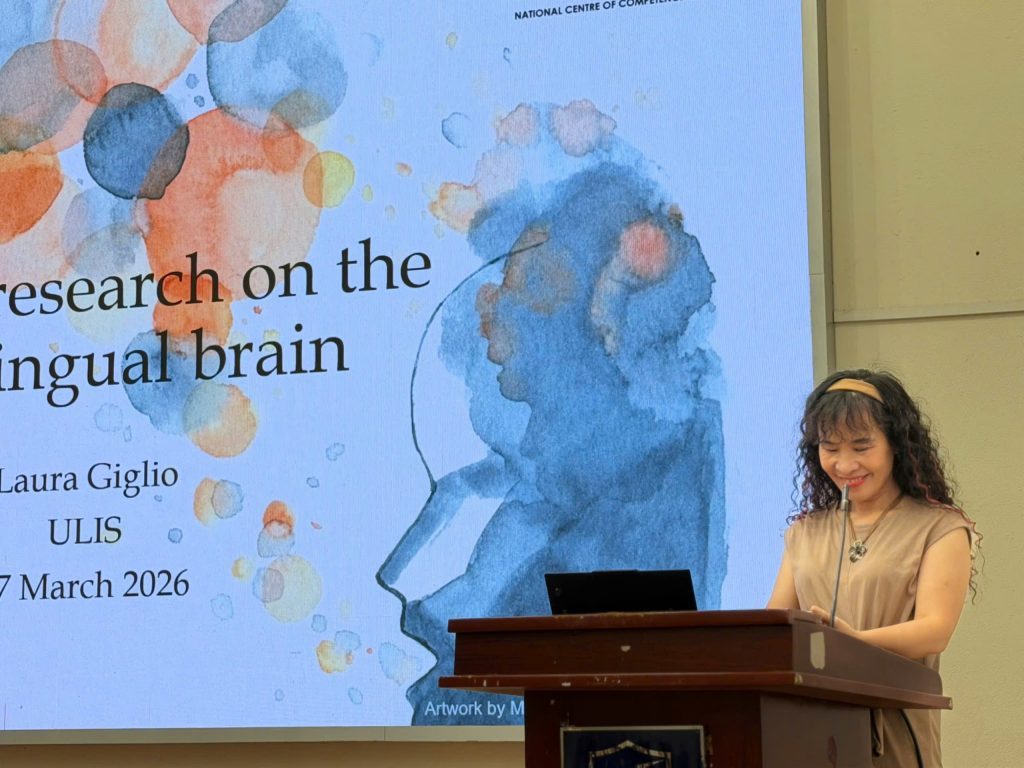
On March 27, 2026, at Vu Dinh Lien Hall, the University of Languages and International Studies – Vietnam National University, Hanoi organized a scientific seminar on the topic “Current research on the multilingual brain” for postgraduate students.
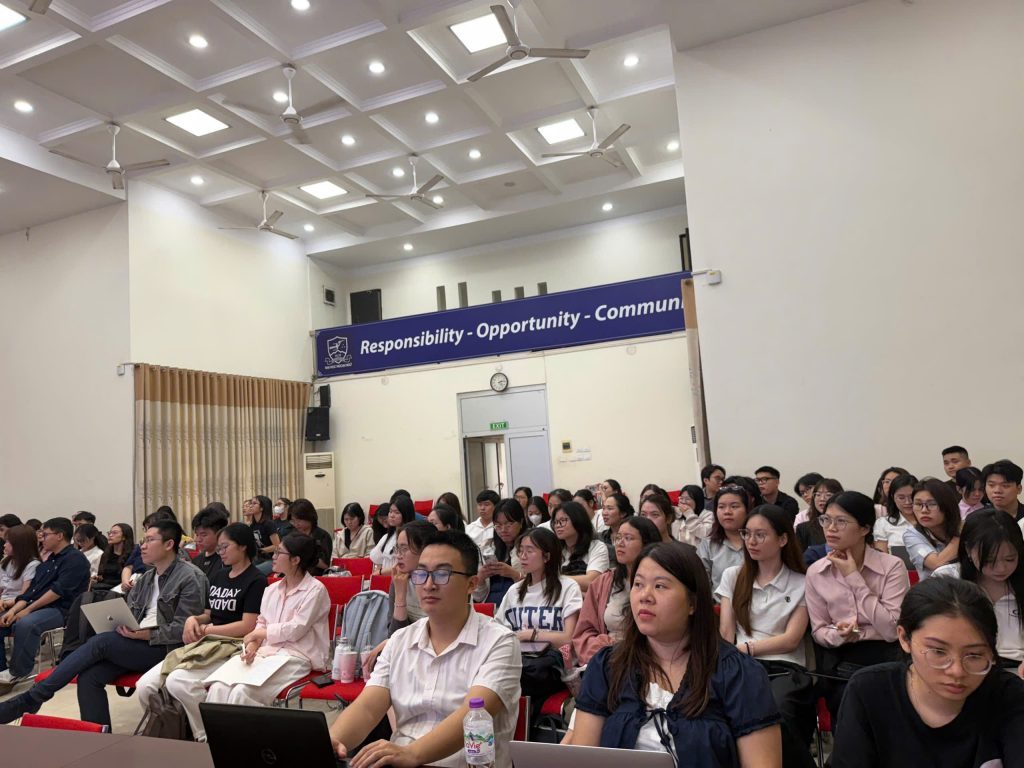
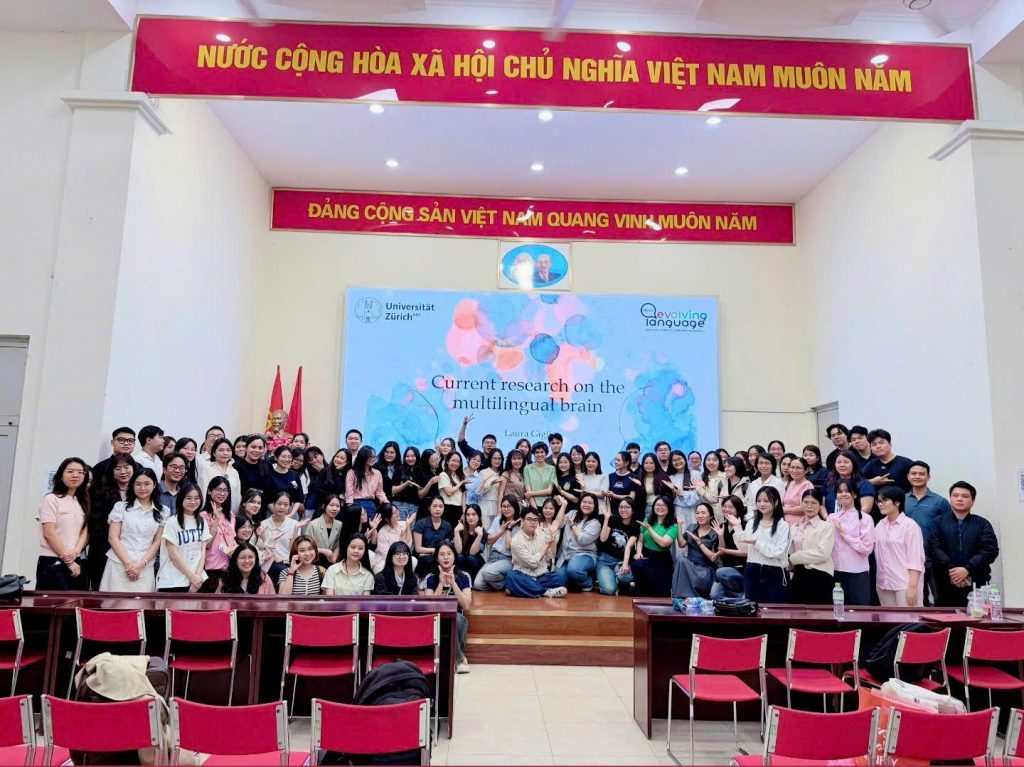
The program attracted the attention of a large number of lecturers, researchers, doctoral candidates, graduate students and undergraduate students. In addition, the seminar also drew participation from many delegates and learners from institutions outside the University such as iSMART Education, Edison School, the Newton Primary & Secondary School system, and foreign language centers. This demonstrates the wide outreach and strong interest of the community in the seminar’s topic.
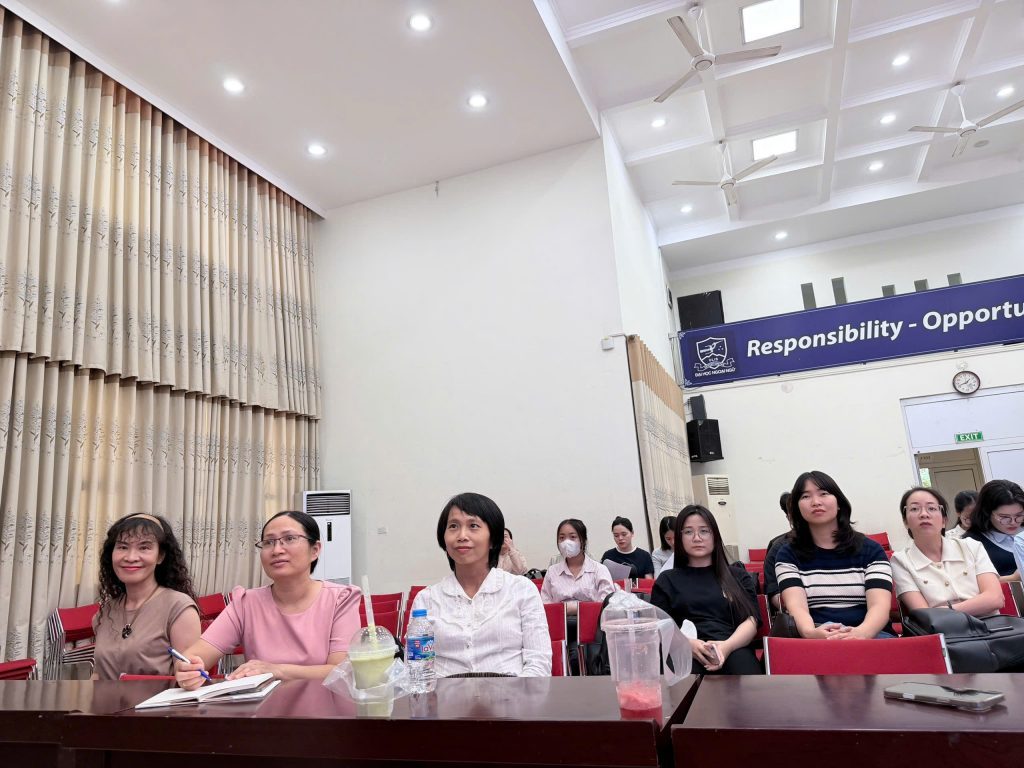
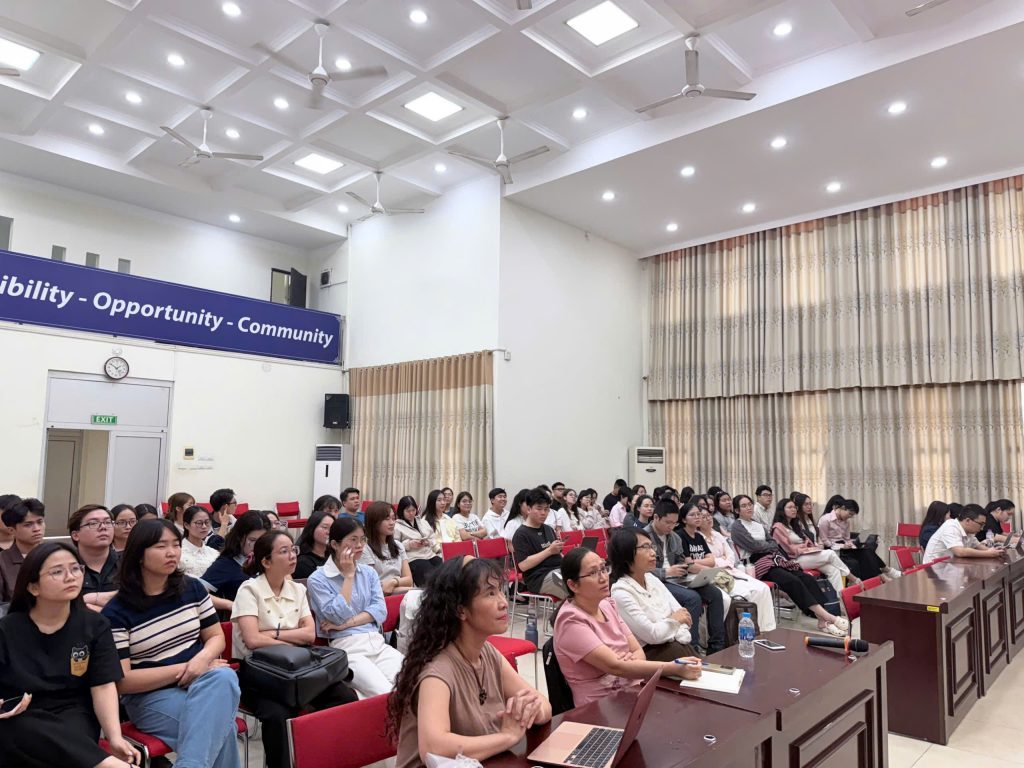
Attending and delivering the opening remarks, Vice Rector Lam Quang Dong emphasized the significance of studying language from a neuroscience perspective in the context of deep international integration. He affirmed that understanding how the brain processes and operates multiple languages not only contributes to improving the quality of foreign language teaching and learning but also opens up many potential interdisciplinary research directions, in line with the University’s development orientation.
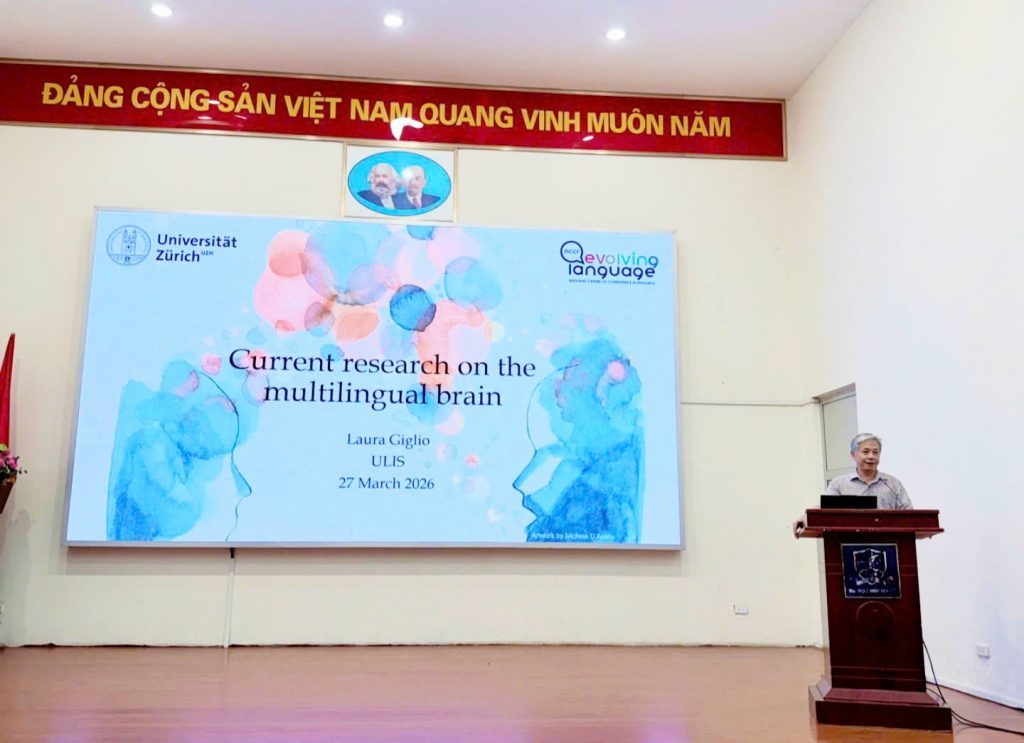
The keynote speaker of the seminar was Dr. Laura Giglio – a postdoctoral researcher at the Institute for the Interdisciplinary Study of Language Evolution, University of Zurich (Switzerland). With a strong academic background in psycholinguistics and neuroscience, Dr. Laura Giglio brought updated and engaging information on current research directions related to the brains of multilingual users.
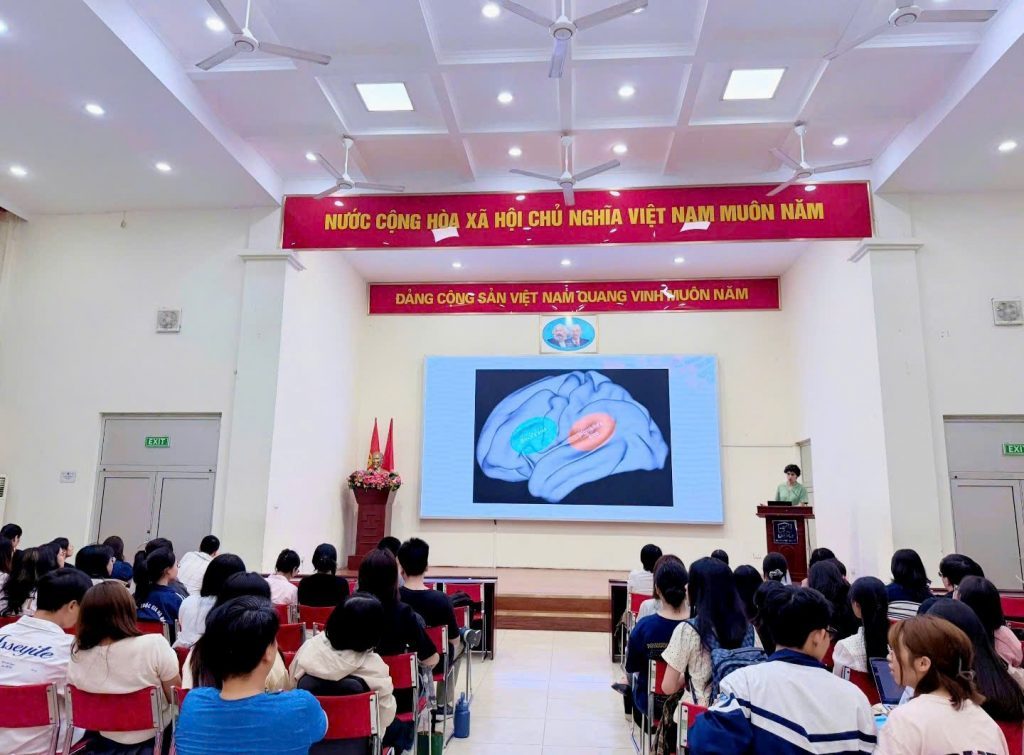
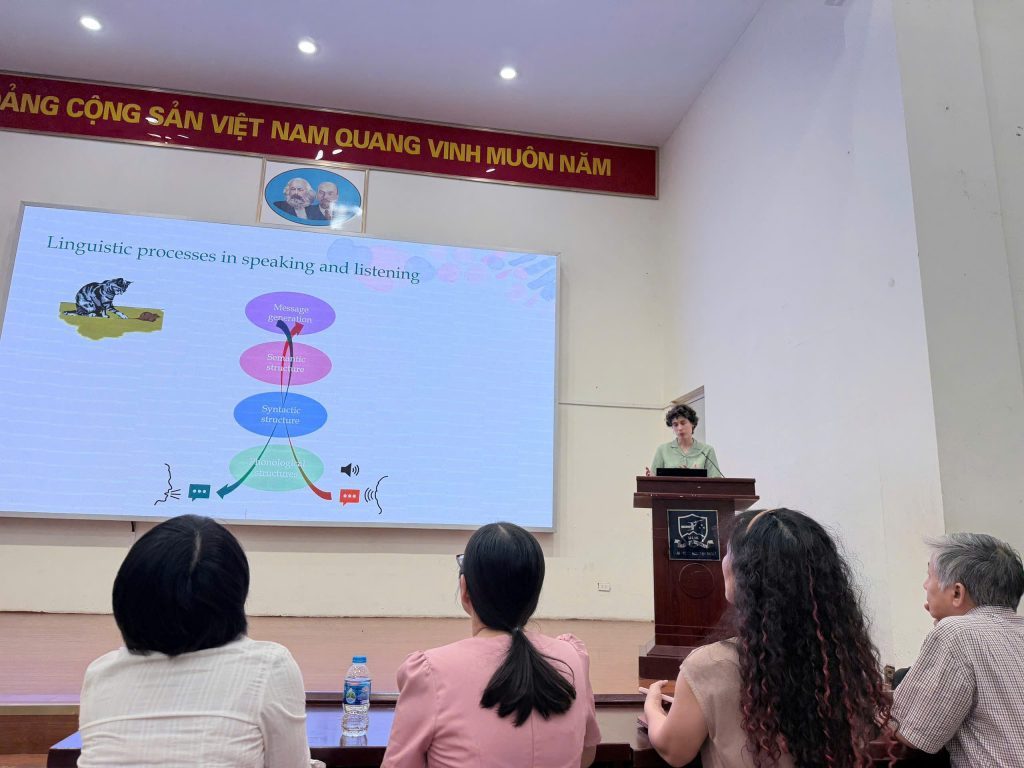
Within the framework of the program, the speaker focused on clarifying how the brain encodes and manages multiple languages while maintaining separation between different language systems. In addition, the seminar also introduced modern research methods currently used to study language processing in the brains of multilingual speakers, thereby helping participants gain a more comprehensive and scientific understanding of how language functions in the brain.
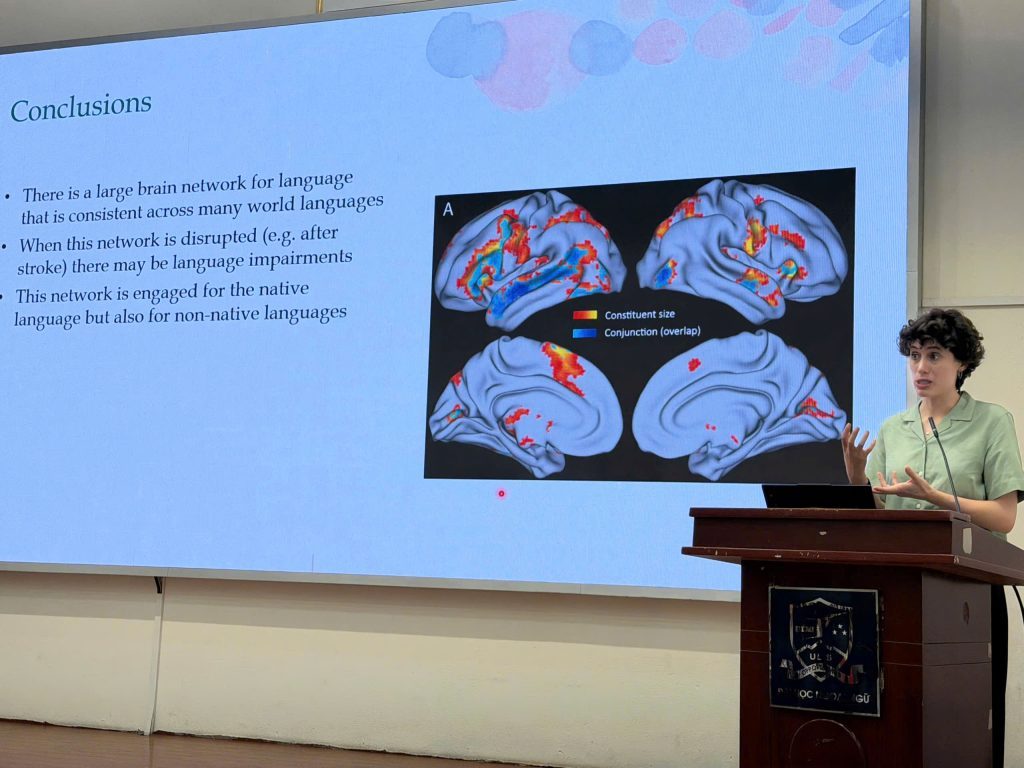
The discussion session took place actively with many questions and exchanges from participants, revolving around issues such as the application of brain research in foreign language teaching, differences between monolingual and multilingual individuals, as well as the potential for developing interdisciplinary research in this field.
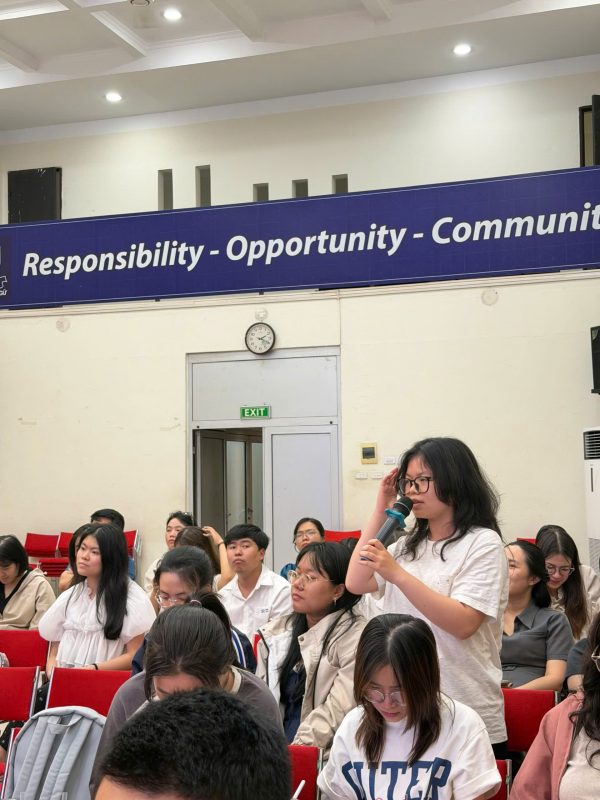
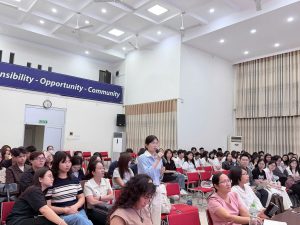
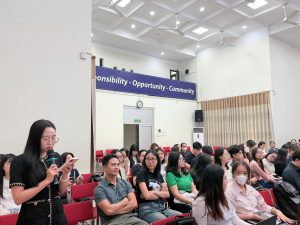
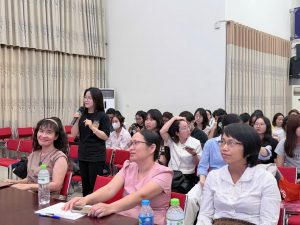
The seminar was conducted in English, creating an international academic environment, while also contributing to enhancing foreign language proficiency in research and academic exchange activities at the University of Languages and International Studies – Vietnam National University, Hanoi.
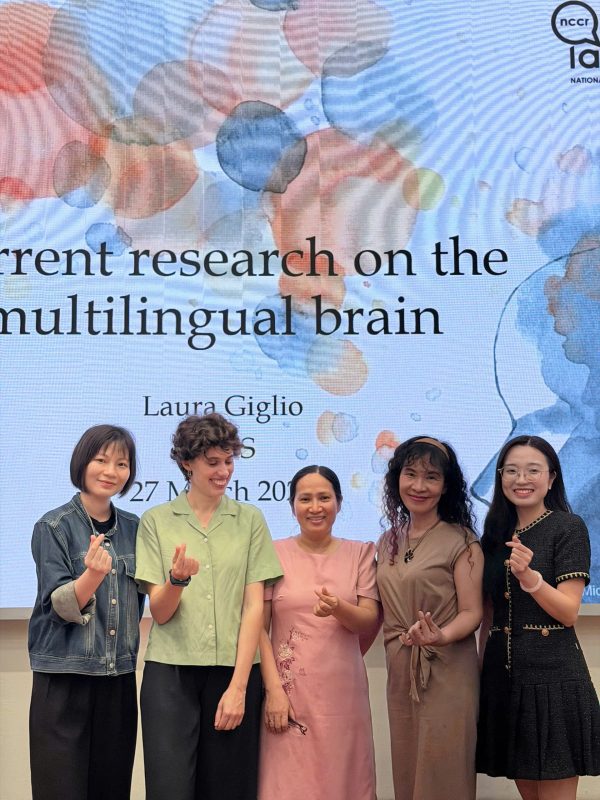
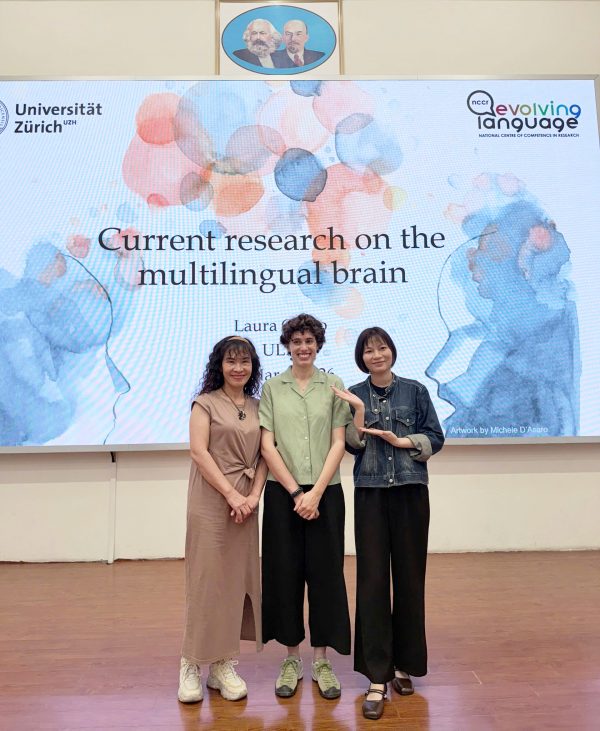
The program concluded successfully, leaving many practical academic values and opening up opportunities for future research collaboration, thereby affirming the University’s orientation towards interdisciplinary, modern and internationally integrated scientific research development.
Hải Anh/ĐSTT