

[ULIS CONNECT] Seminar: “From passive listening to active learning”
On November 29, 2025, within the framework of the activities of the Primary and Secondary Foreign Language Education Support Channel (ULIS CONNECT), ULIS-VNU organized an online seminar entitled “From Passive Listening to Active Learning: Project-Based Applications in Teaching Listening Skills.” The program aimed to share practical-oriented methods for developing listening skills, helping teachers access more effective listening instruction through the integration of technology and authentic materials via project-based learning.
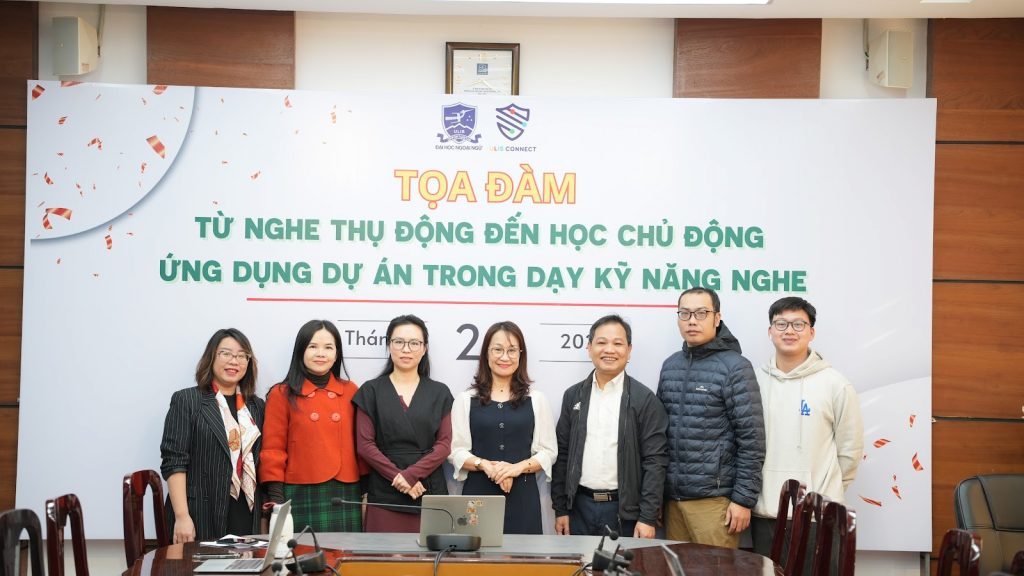
The seminar was attended by Vice Rector Hoa Ngoc Son, representatives of the Office of Research and Partnerships, and the Foreign Language Specialized School. The speakers of the program were Ms. Nguyen Hong Trang and Ms. Nguyen Thu Hang from the Foreign Language Specialized School.

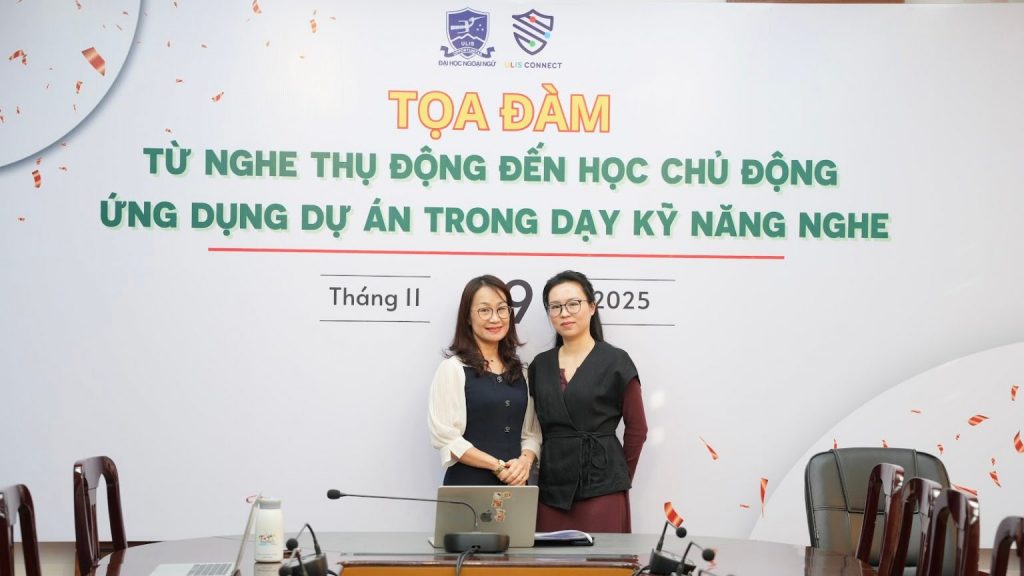
The seminar attracted the attention and participation of a large number of teachers from across the country.
In the opening remarks, Ms. Nguyen Thi Lan Huong, Deputy Head of the department of science, technology and development cooperation, emphasized the pivotal role of listening skills in foreign language teaching and learning. The seminar contributed to supporting teachers in shifting from assessment-focused approaches to the development of learning strategies, thereby enhancing learners’ self-directed learning capacity in the digital context. The content was also aligned with the orientation of promoting English as a second language, helping students develop not only reading and writing skills but also communication and critical thinking abilities.
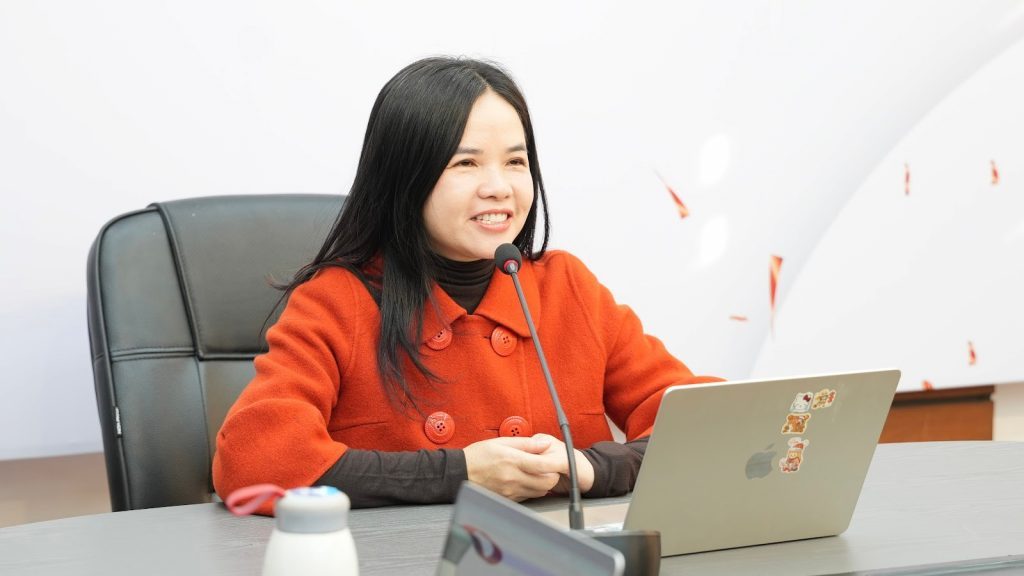
In her address at the seminar, Dr. Hoa Ngoc Son expressed her sincere appreciation to the two presenters and the staff of the Foreign Language Specialized School and the ULIS Middle School for their accompaniment and valuable sharing at the seminar. The Vice Rector affirmed that listening skills play an essential role in foreign language learning; however, their development remains limited due to the lack of authentic language-use environments. Dr. Hoa Ngoc Son expressed her confidence that the seminar would provide useful suggestions for creating effective foreign language learning environments at the upper secondary level.
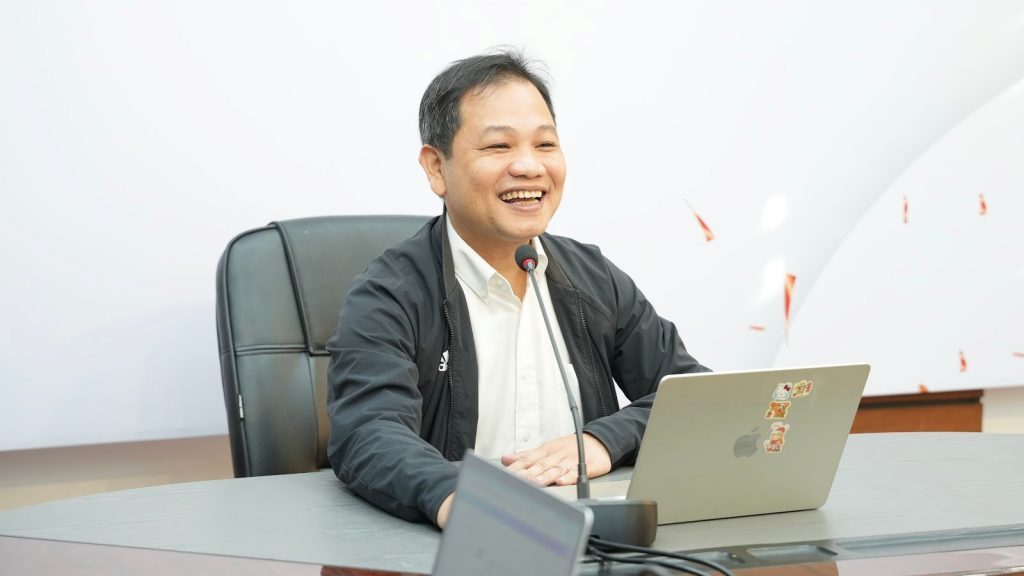
The seminar became more dynamic with the presentations delivered by the two speakers from the Foreign Language Specialized School.
Ms. Nguyen Hong Trang first presented the current situation of listening skills teaching in general education, analyzing the factors that prevent listening comprehension from achieving the expected effectiveness. She also clarified the real-life context and objectives of the project, and introduced the core components of the project, clearly explaining the role of each element in supporting students’ sustainable development of listening skills.
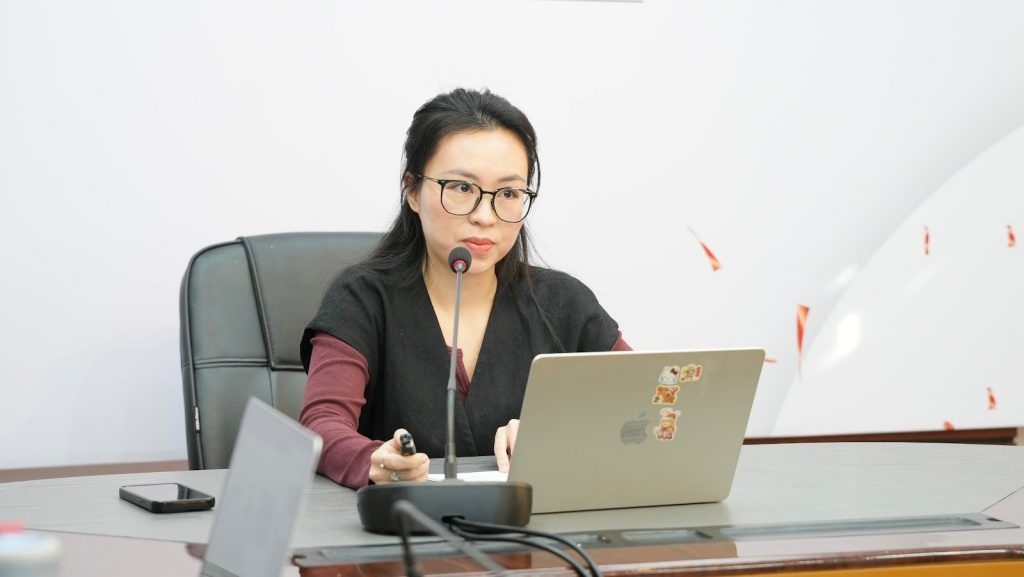
Subsequently, Ms. Nguyen Thu Hang focused on systematically presenting the steps for project implementation in the classroom to ensure feasibility and effectiveness. She also introduced an assessment system that enables students to monitor their own progress and accurately identify their competencies. In addition, she highlighted the potential challenges that may arise during implementation and proposed technological tools to optimize teaching effectiveness, allowing teachers to flexibly apply them in different educational contexts.
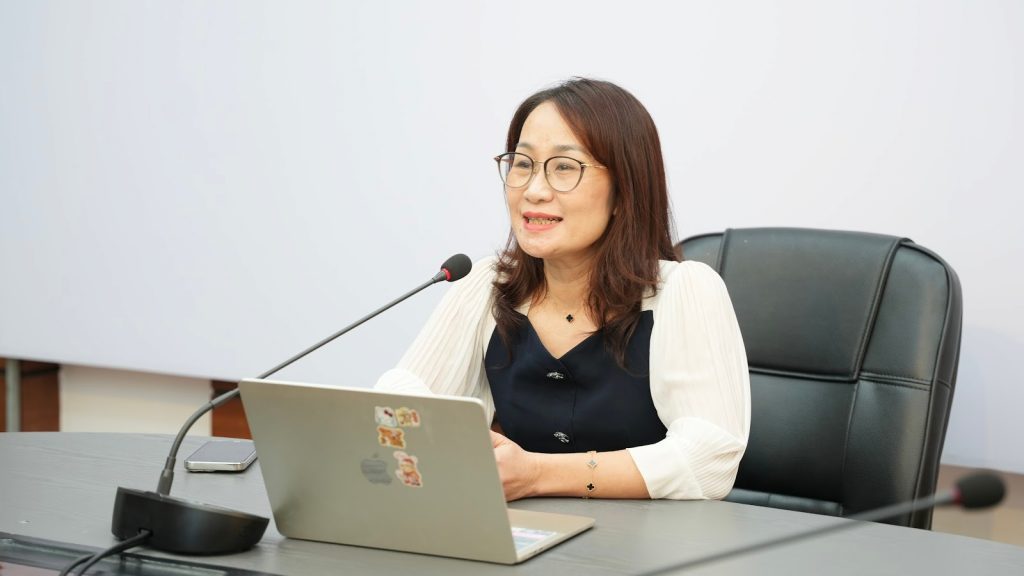
During the “Reflective Q&A” session, many teachers expressed their sincere appreciation for the speakers’ sharing and also discussed the difficulties and challenges in foreign language teaching and learning. Ms. Nguyen Vi Van, a teacher from Can Tho, stated: “This is truly a highly valuable and scientific seminar that can be flexibly applied to students of different proficiency levels.” Another teacher shared: “I was deeply impressed by the stages presented by the speakers and the concrete examples of students’ work; the designs were very creative and visually appealing.” Moreover, many participants commented that: “The speakers’ sharing was extremely engaging and easy to understand, helping teachers grasp how to effectively implement projects in the classroom.” These responses provided multi-dimensional perspectives and also served as a basis for the speakers to propose suggestions and adjustments to better suit the practical conditions of different classrooms.
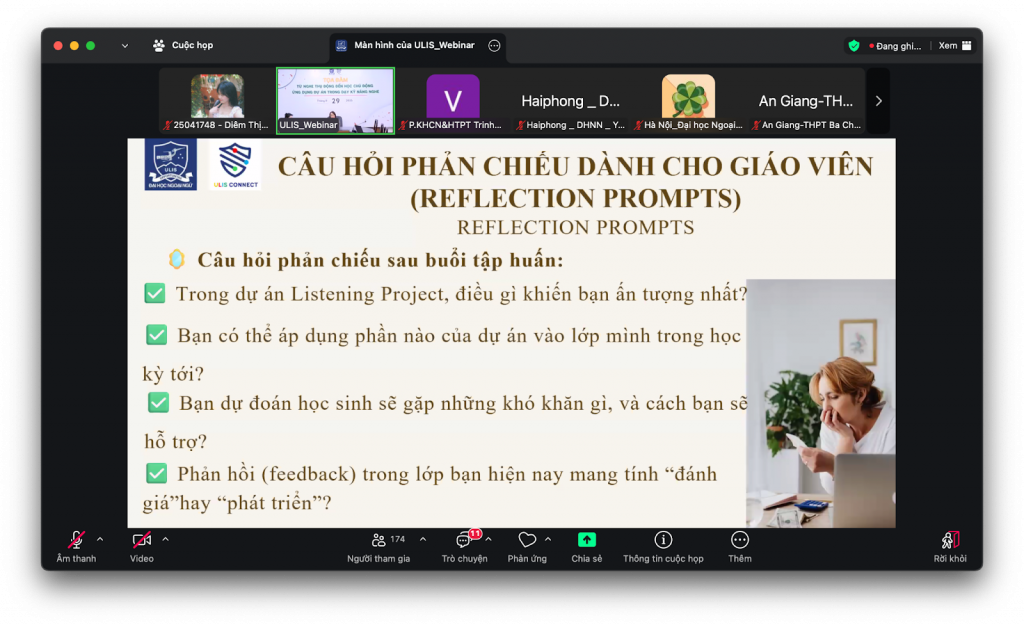
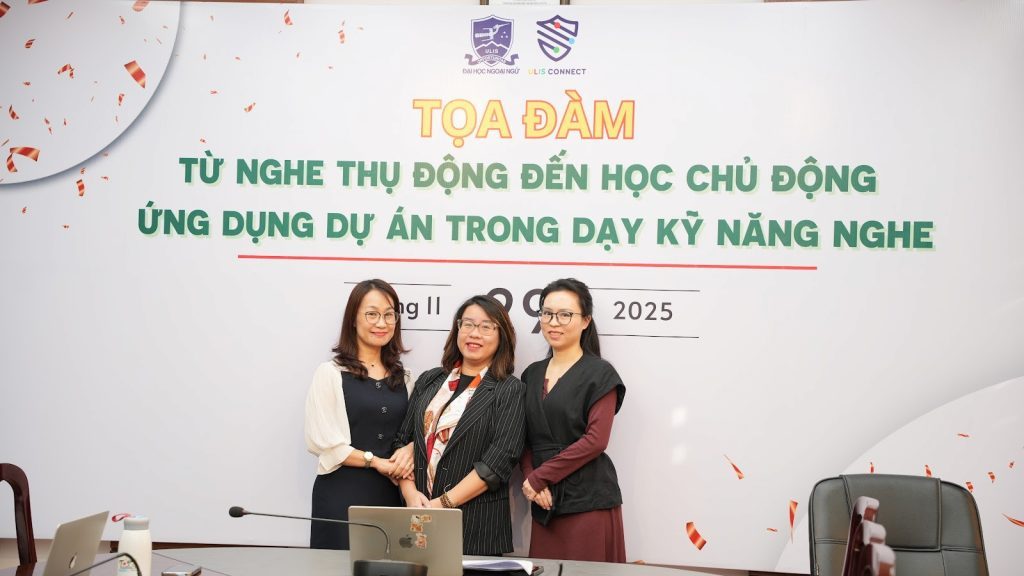
At the conclusion of the seminar, teachers expressed their gratitude for the valuable experiences and practical recommendations, and showed strong interest in piloting project-based approaches to improve the effectiveness of teaching listening skills in the coming time.


Huyền My/ĐSTT