
International Conference: “Artificial Intelligence: A Lever for Language Analysis and Foreign Language Teaching”
On April 16–17, 2026, the University of Languages and International Studies - Vietnam National University, Hanoi, in collaboration with the University of Artois (France) and the National Institute for Oriental Languages and Civilizations - Inalco (France), organized an international scientific conference entitled “Artificial Intelligence: A Lever for Language Analysis and Foreign Language Teaching.”
Held over two days in a hybrid format, the conference aimed to promote a vision of technology that accompanies and serves human intelligence, thereby enhancing the capacity for linguistic analysis and knowledge transmission.
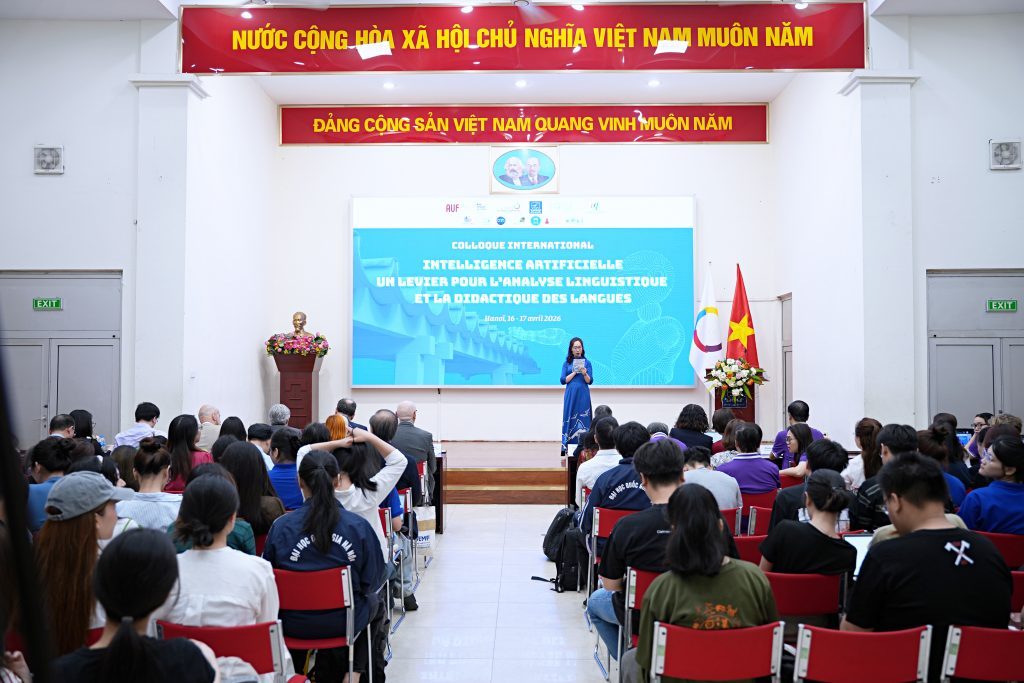
Representing ULIS-VNU were Vice Rector Lam Quang Dong, leaders of affiliated units, and a large number of staff and students from the Faculty of French Language and Culture.
Distinguished guests included representatives from the Organisation internationale de la Francophonie (OIF), the Agence Universitaire de la Francophonie (AUF), the Embassy of France in Vietnam, the Wallonie-Bruxelles Delegation in Vietnam, diplomatic agencies, enterprises, co-organizing institutions, and numerous experts and scholars from French language departments across Vietnam.
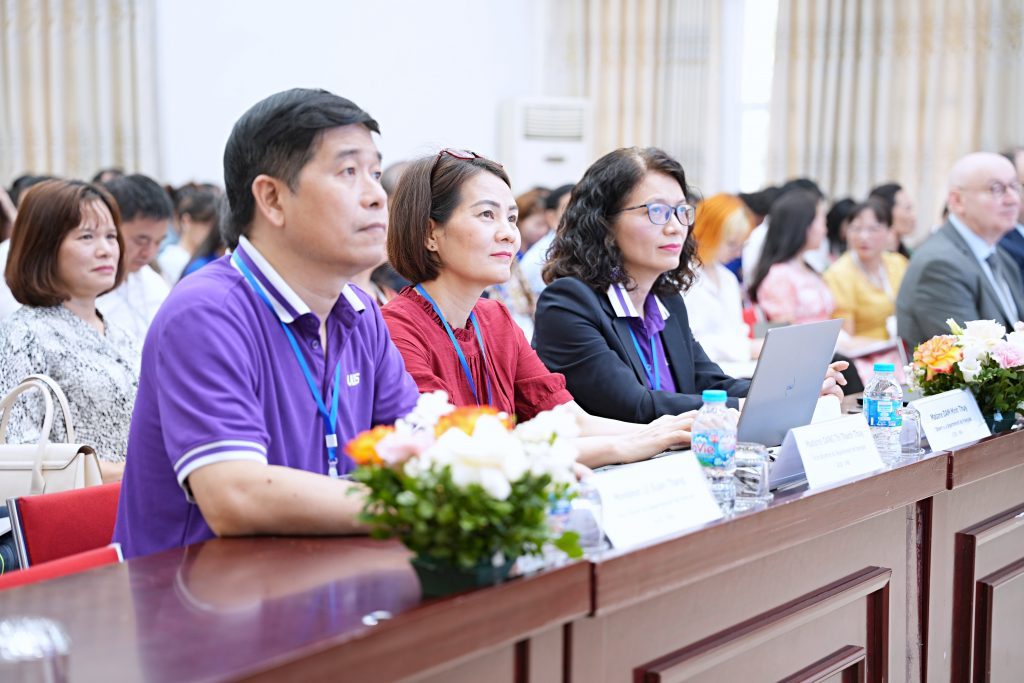
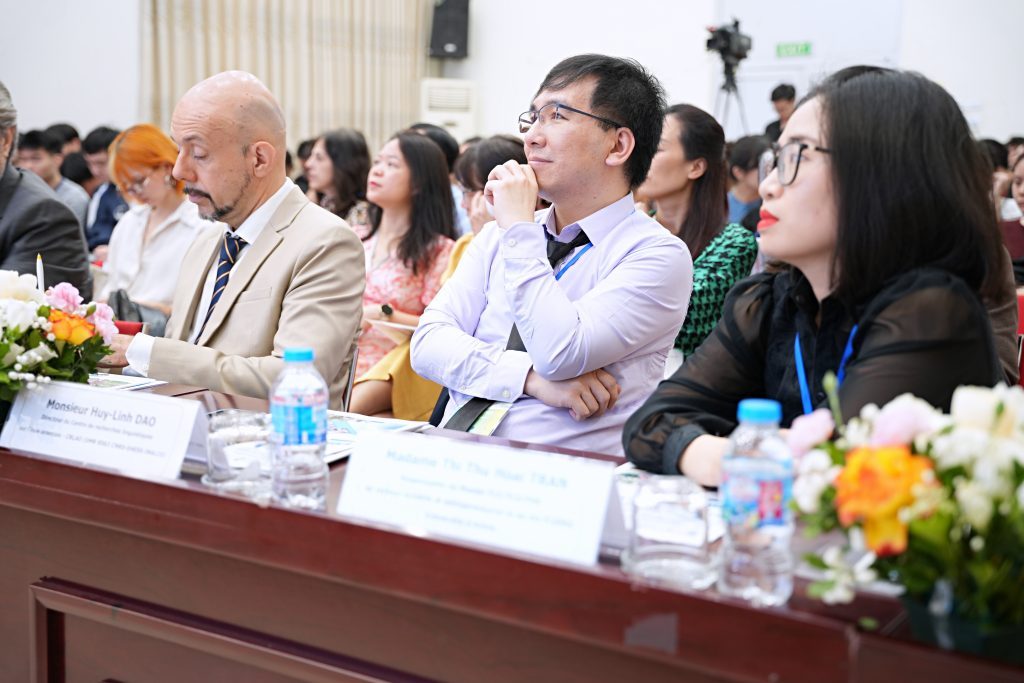
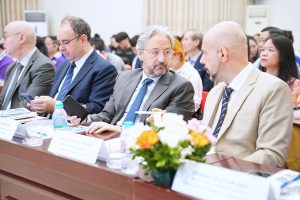
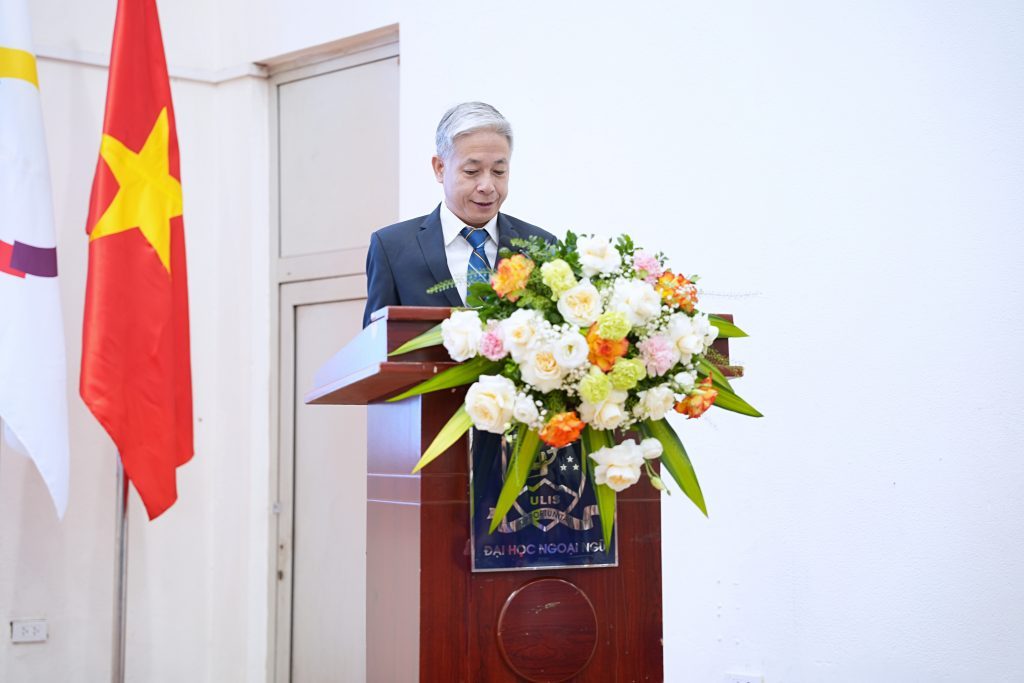
In his opening remarks, Vice Rector Lam Quang Dong emphasized that the conference was the result of academic cooperation among three prestigious institutions, with valuable support from OIF, AUF, the French Embassy in Vietnam, and the Wallonie-Bruxelles Delegation. The vitality of scientific research within the Francophone community was reflected through presentations by scholars from Vietnam, France, Morocco, Romania, South Korea, and China, alongside contributions from partner research centers such as CRIL, Grammatica, and CRLAO.
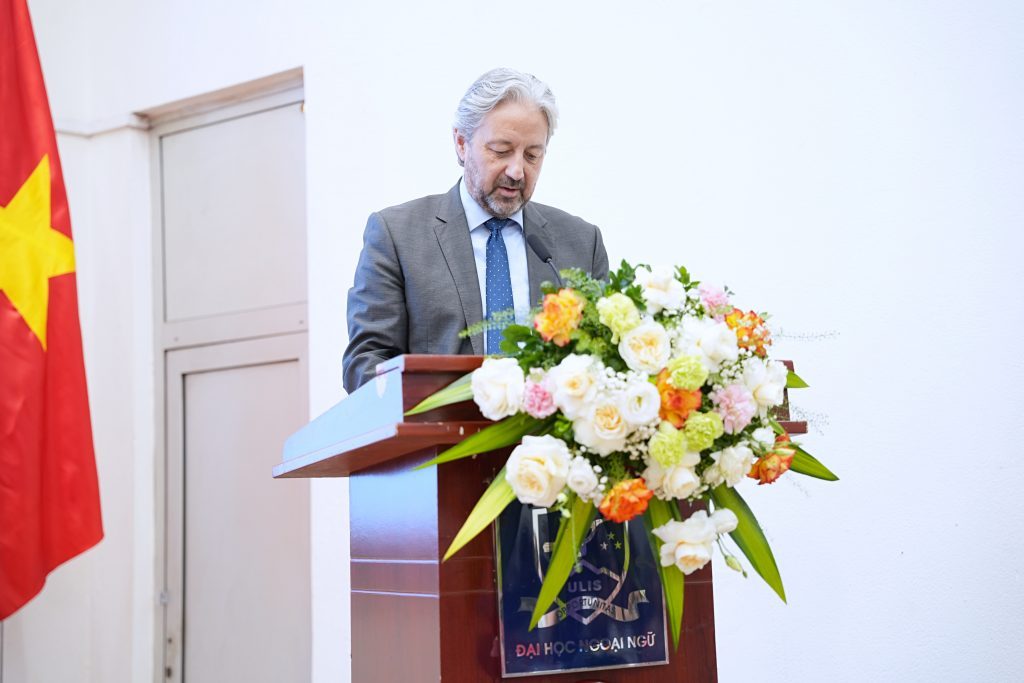
Also at the conference, Éric Soulier, Cultural and Cooperation Counsellor, Embassy of France in Vietnam, described the event as a “bridge of knowledge” connecting scholars domestically and internationally, providing a platform to discuss future directions for French language teaching and research in the digital era.
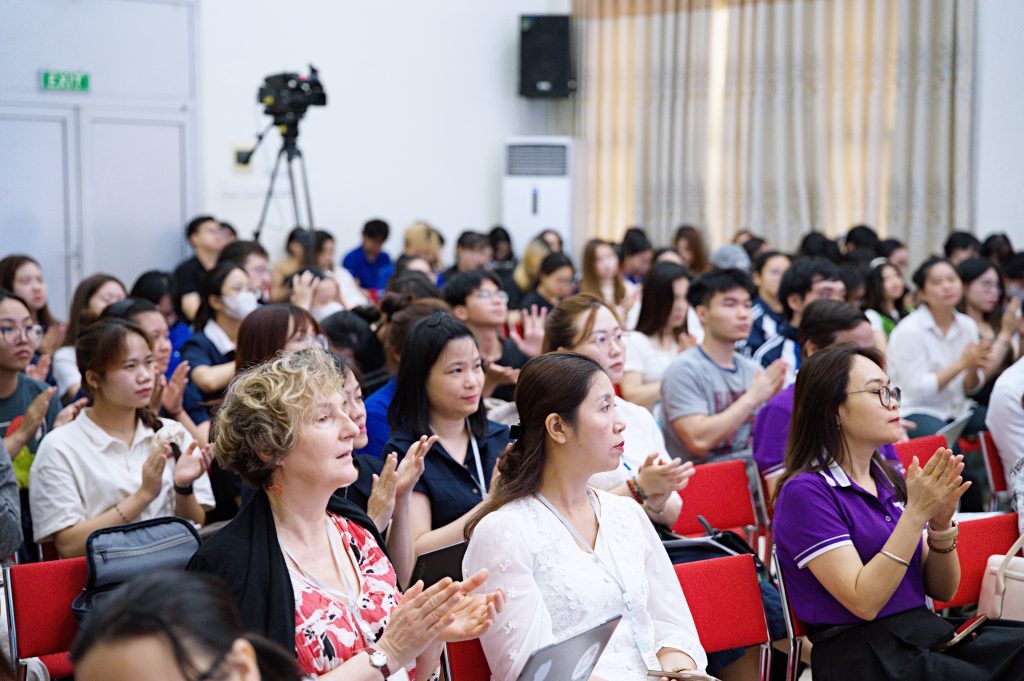
Bringing together experts and researchers to explore the profound transformations driven by generative AI in linguistic sciences, the conference featured plenary sessions and parallel panels structured around four main thematic axes
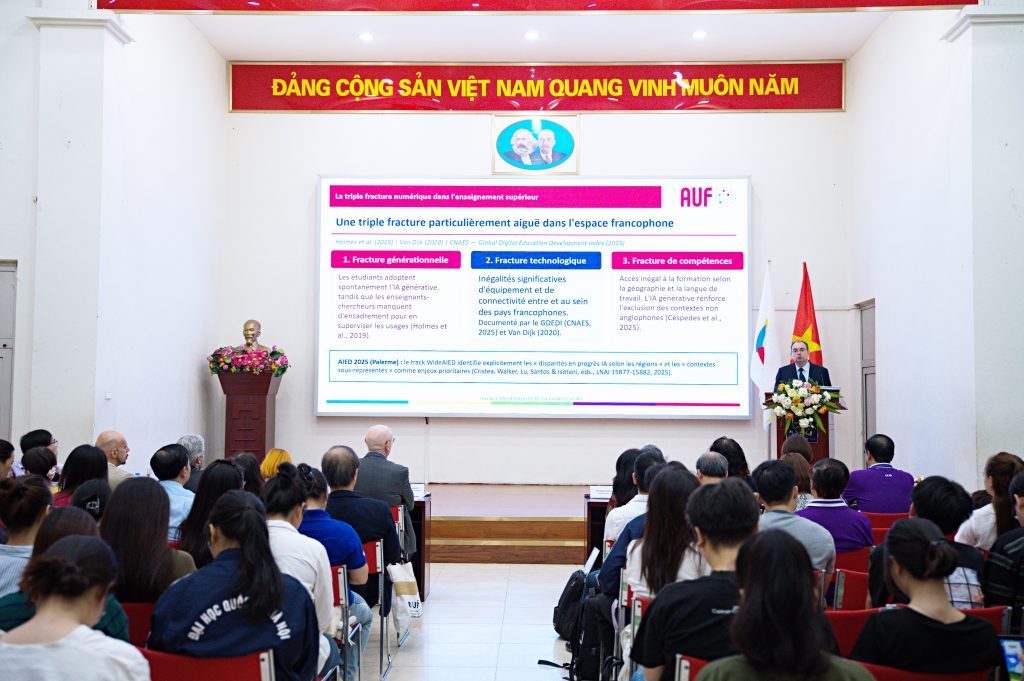
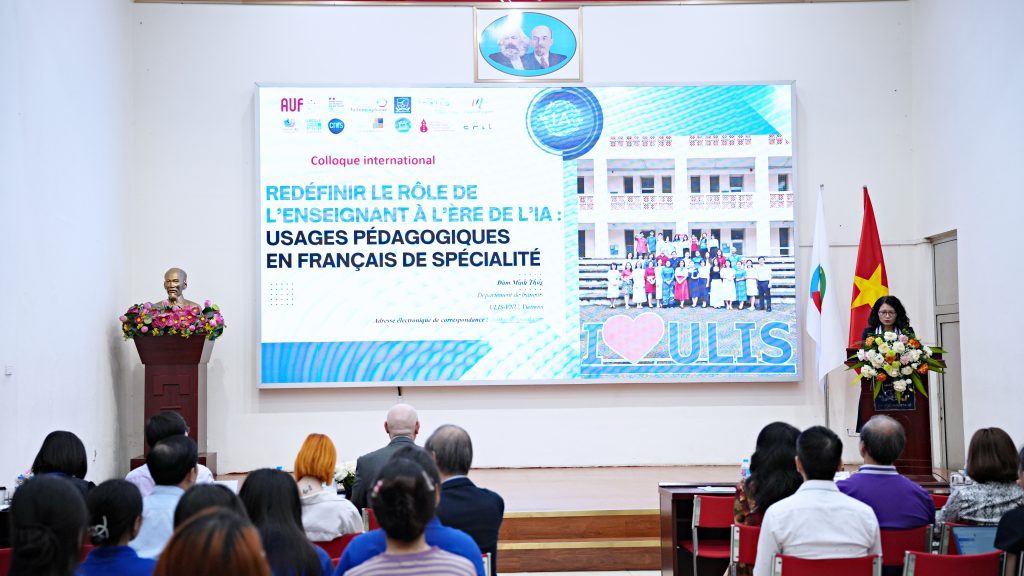
First, in terms of pedagogical transformation, discussions focused on redefining the role of teachers in the context of AI tools such as NotebookLM and ChatGPT. Studies highlighted the use of AI as an effective pedagogical support, particularly in developing learners’ pragmatic competence and creative writing skills.
Second, within the field of core linguistics, presentations examined the application of algorithms in language analysis, notably in studying modal markers and contrastive structures between French and Vietnamese. Innovative approaches in automatic acoustic signal processing were also introduced, aiming to analyze tonal phenomena in Vietnamese and opening new prospects for experimental linguistics.
Third, regarding training engineering and career orientation, the conference underscored AI’s role as a tool for assessment, forecasting, and learning analytics. Experts analyzed how AI helps reshape specialized training pathways in key sectors such as tourism, healthcare, law, and security, enabling learners to better meet labor market demands in the digital age.
Beyond technical aspects, the conference also addressed ethical and cultural challenges. Discussions focused on building ethical frameworks in higher education teaching and communication, as well as examining AI’s impact on cultural semiotics and communication effectiveness in multilingual environments.
In each panel, presentations were followed by dynamic discussions aimed at proposing innovative solutions and appropriate approaches for advancing French language teaching in the current context.
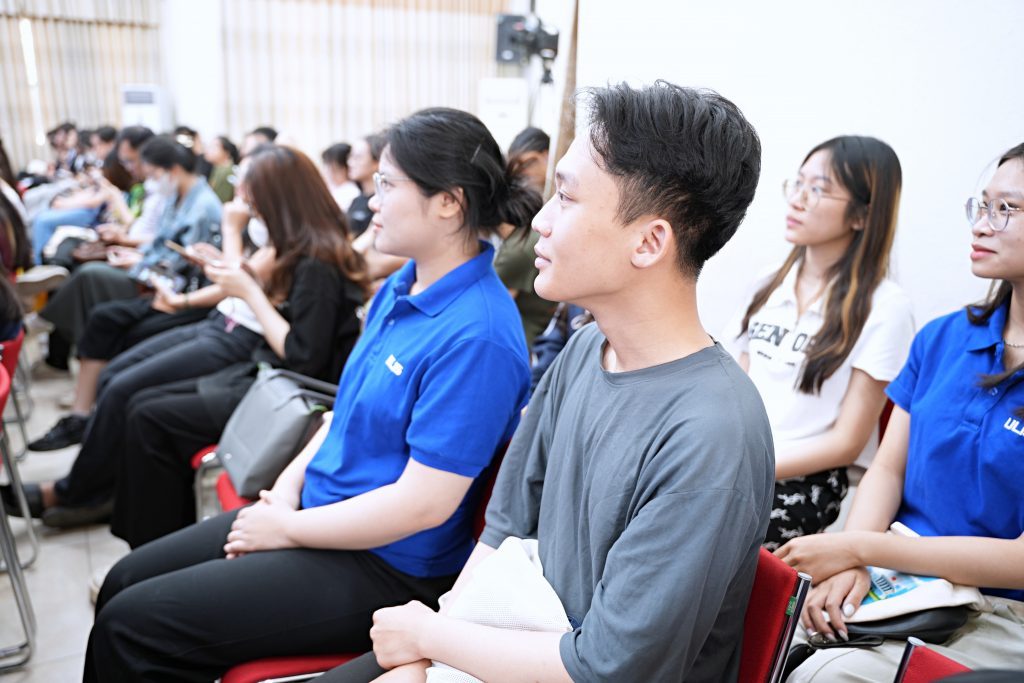
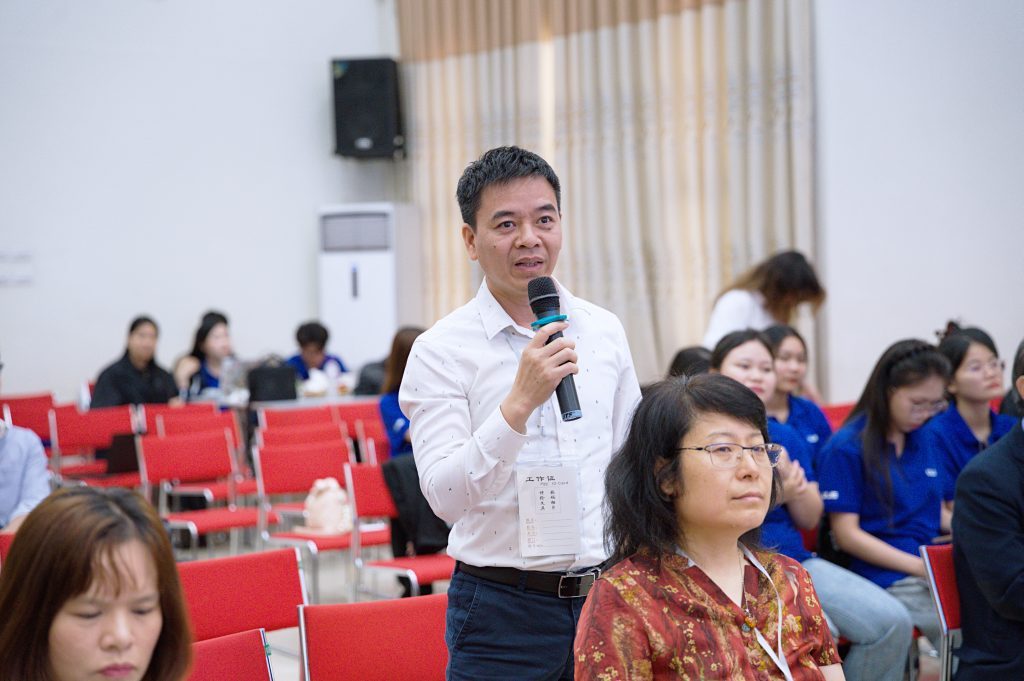
Overall, the conference provided a valuable platform for researchers and educators from Vietnam and abroad to exchange academic insights and share practical experiences, contributing to new directions in French language teaching and research in the era of digital transformation.
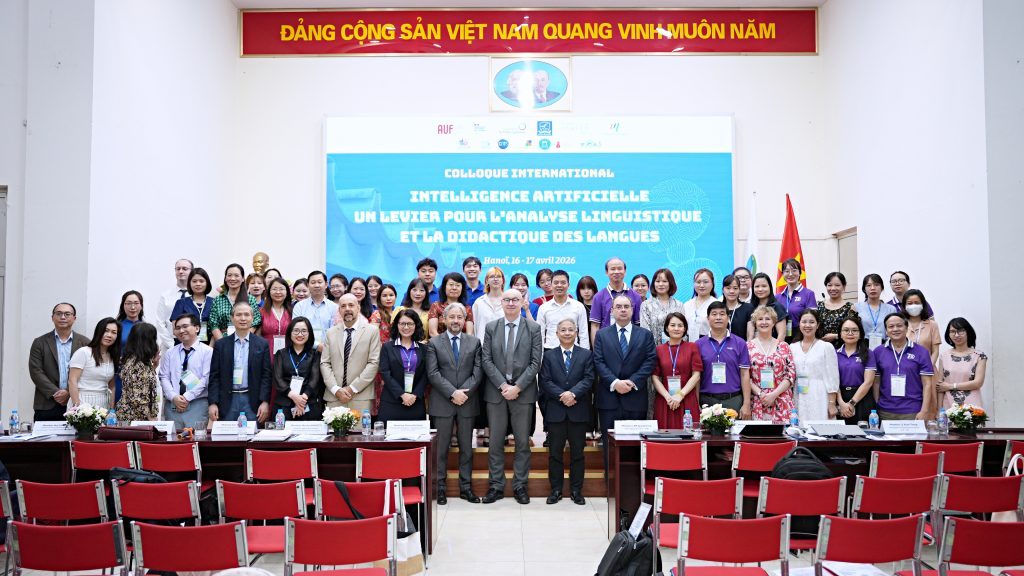
Phương Linh/ĐSTT