
A Colorful ASEAN Cultural and Culinary Experience in 2026
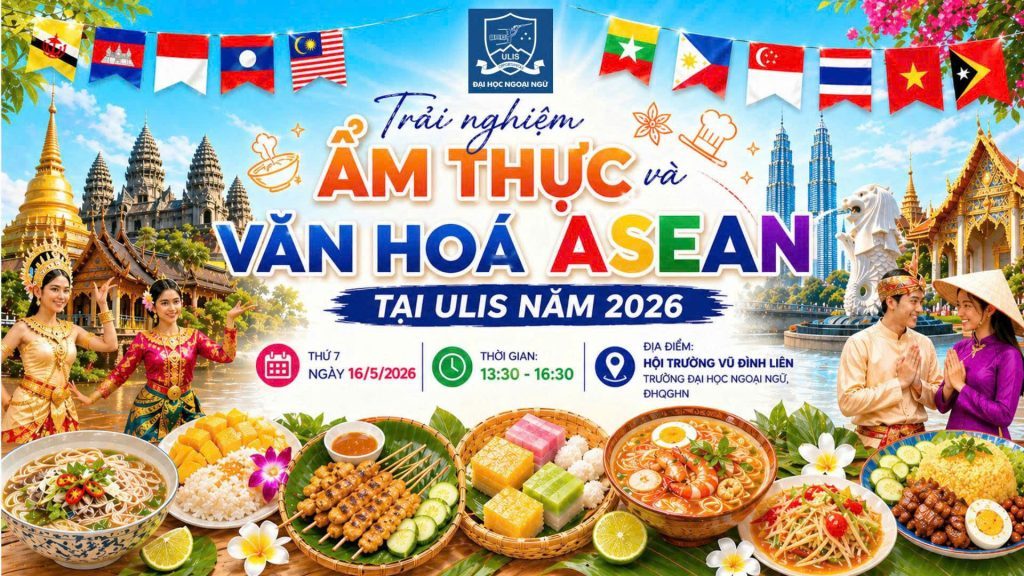
On May 16, 2026, the Faculty of Vietnamese and Southeast Asian Language and Culture, University of Languages and International Studies (ULIS), Vietnam National University, Hanoi, organized the ASEAN Cultural and Culinary Experience Program 2026. The event attracted a large number of lecturers, students, and guests who were interested in the diverse cultures of Southeast Asia.
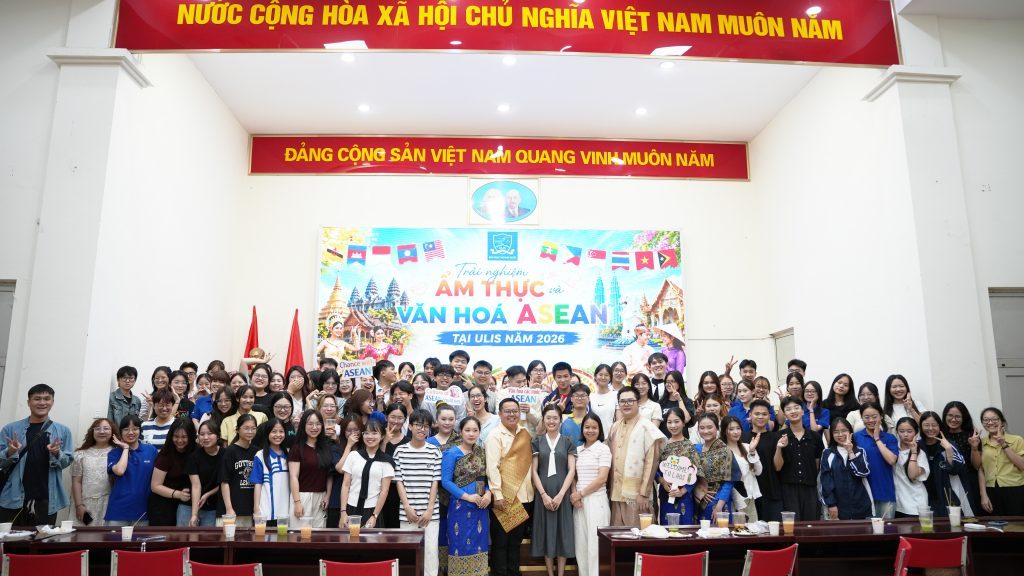
The program was attended by representatives of the leadership of the Faculty of Vietnamese and Southeast Asian Language and Culture, lecturers teaching the courses Culture of ASEAN Countries, Thai Language B1, and Advanced Thai Language B2, as well as native guest speakers from several ASEAN countries. The event also attracted a large number of students from both within and outside the Faculty who are interested in the languages and cultures of Southeast Asia.
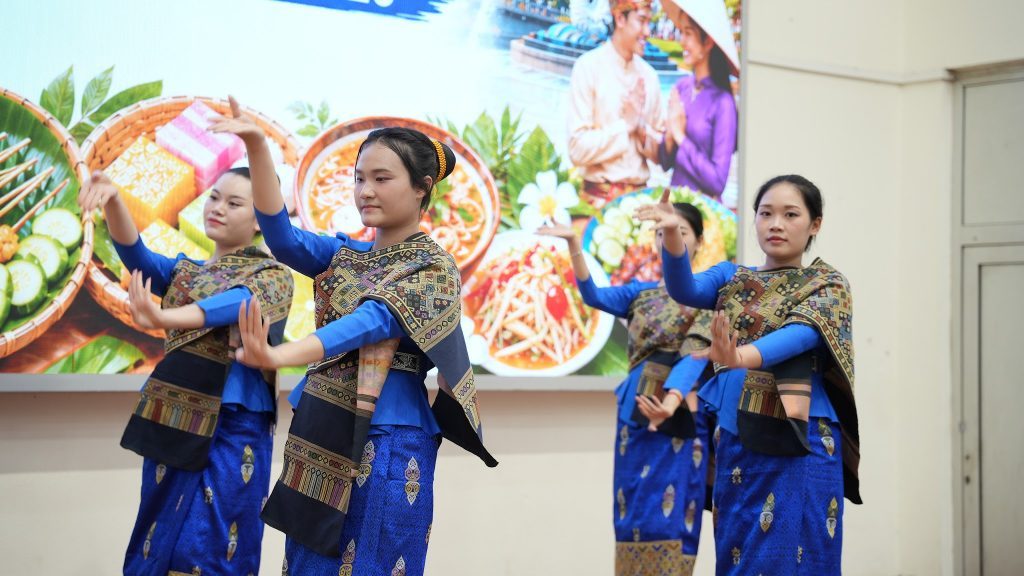
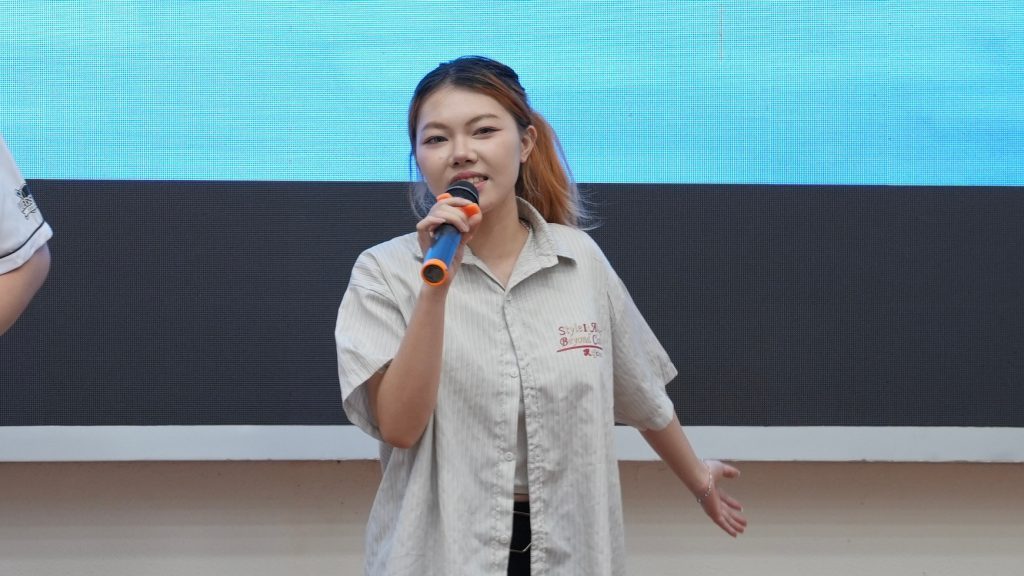
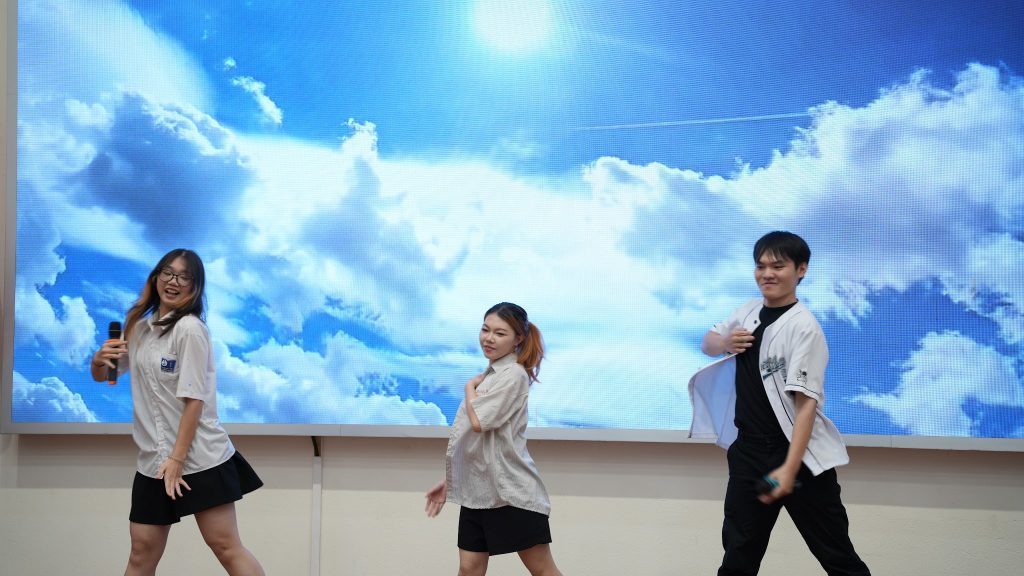
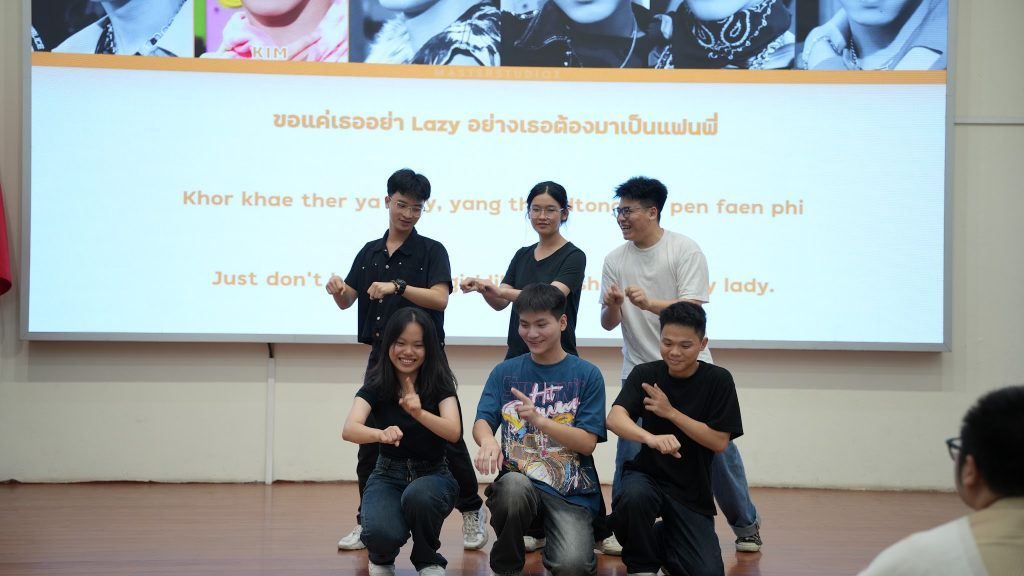
The program began with a series of cultural performances presented by students, showcasing the unique traditions and artistic expressions of Southeast Asian countries. These performances created a lively and welcoming atmosphere. Beyond entertainment, they also helped participants gain a deeper appreciation of the rich cultural diversity of ASEAN nations.
As part of the event, an ASEAN-themed minigame session received enthusiastic participation from students. The questions focused on the culture, history, geography, and distinctive characteristics of Southeast Asian countries. This activity not only generated excitement but also enabled students to reinforce their knowledge and develop a better understanding of the ASEAN community in an engaging and interactive way.
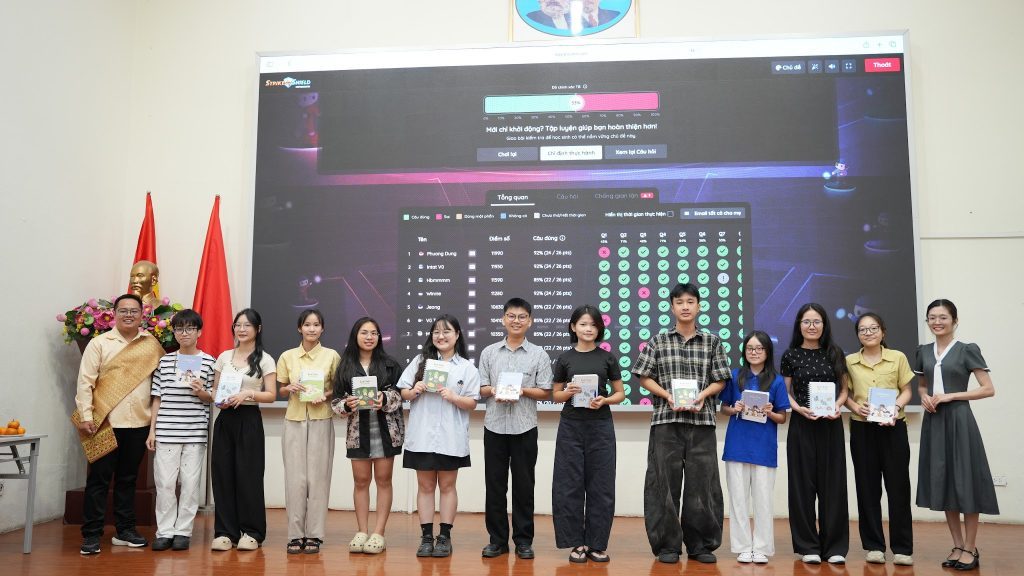
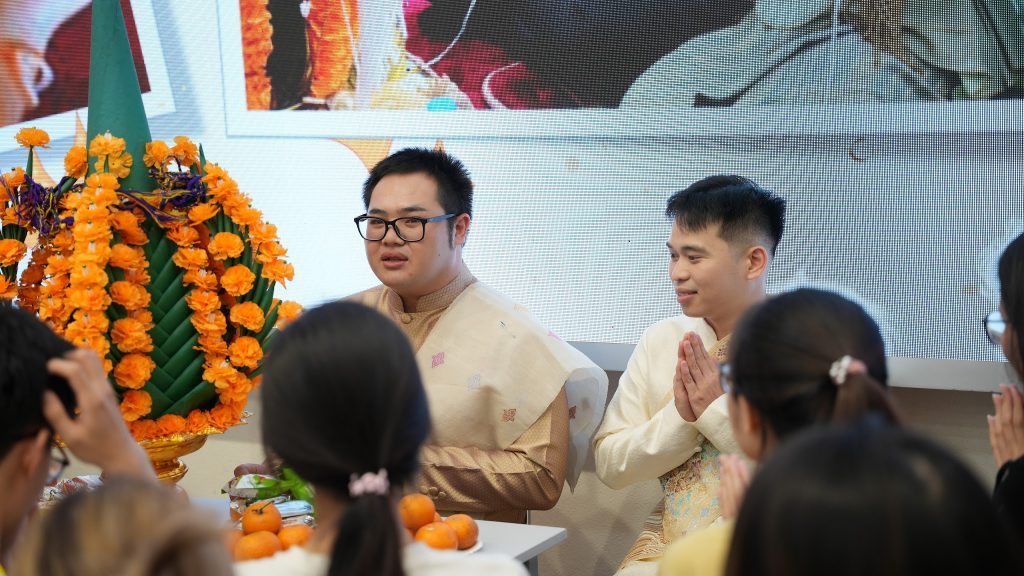
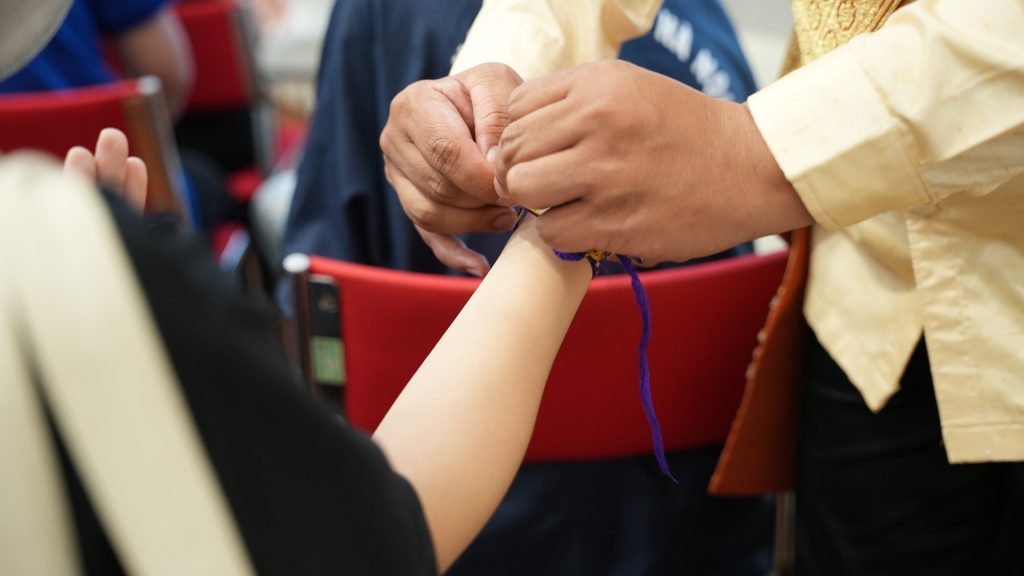
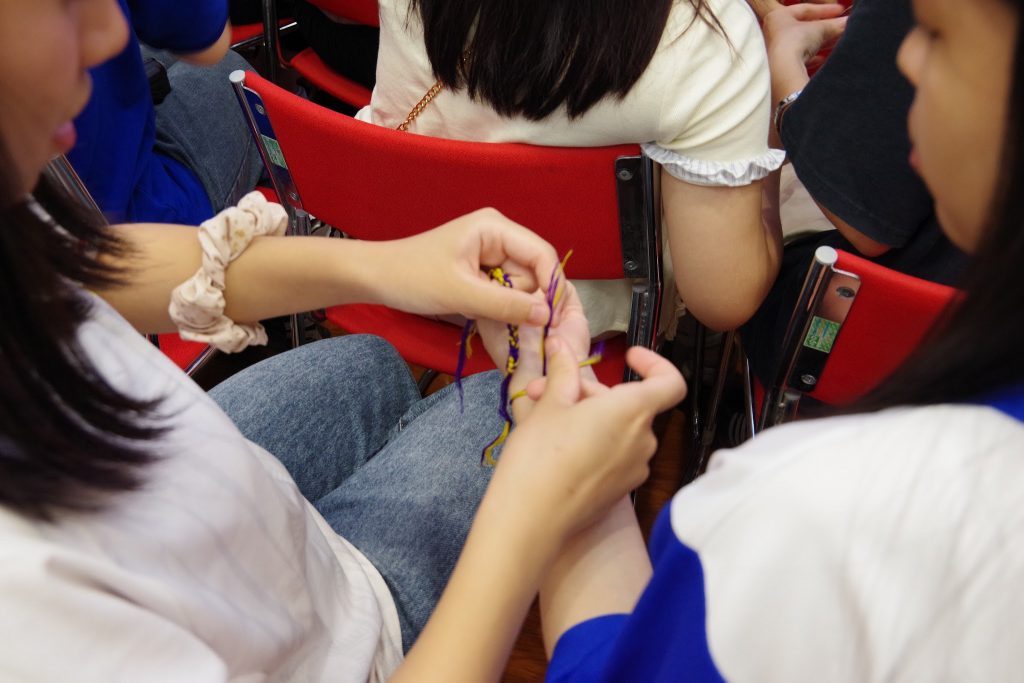
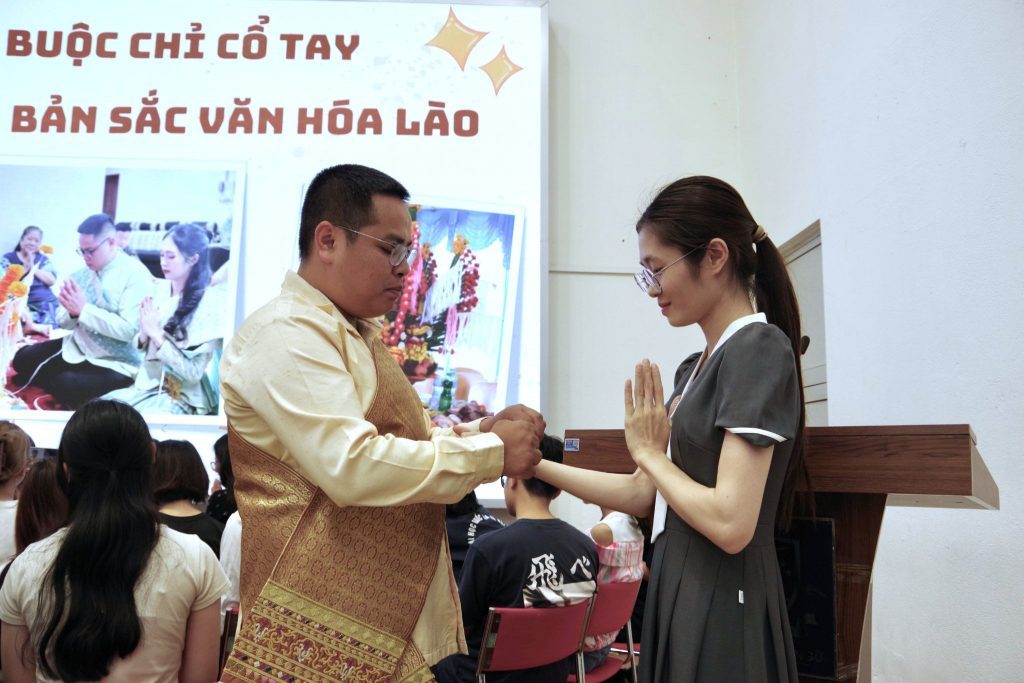
One of the highlights of the program was the experience of the traditional Lao wrist-tying ceremony, an important cultural practice of Laos that left a lasting impression on participants. According to Lao beliefs, the ceremony symbolizes blessings for good luck, health, peace, and happiness. The white strings tied around the wrist represent not only good wishes but also unity, affection, and a strong sense of community. Through this activity, students had the opportunity to gain deeper insights into the spiritual life and traditional cultural values of the Lao people.
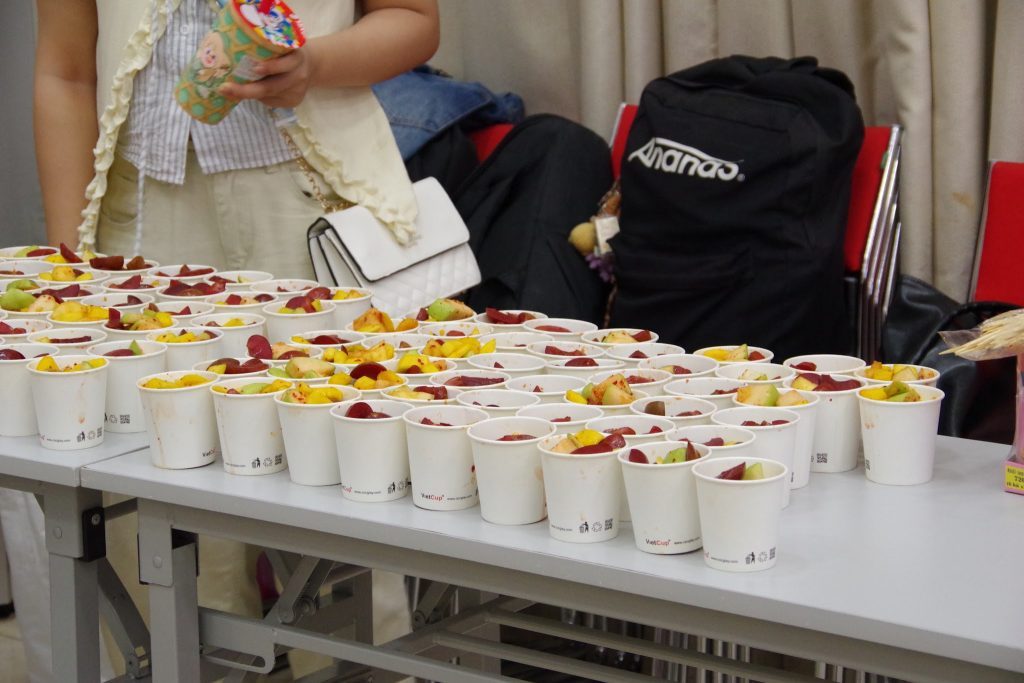
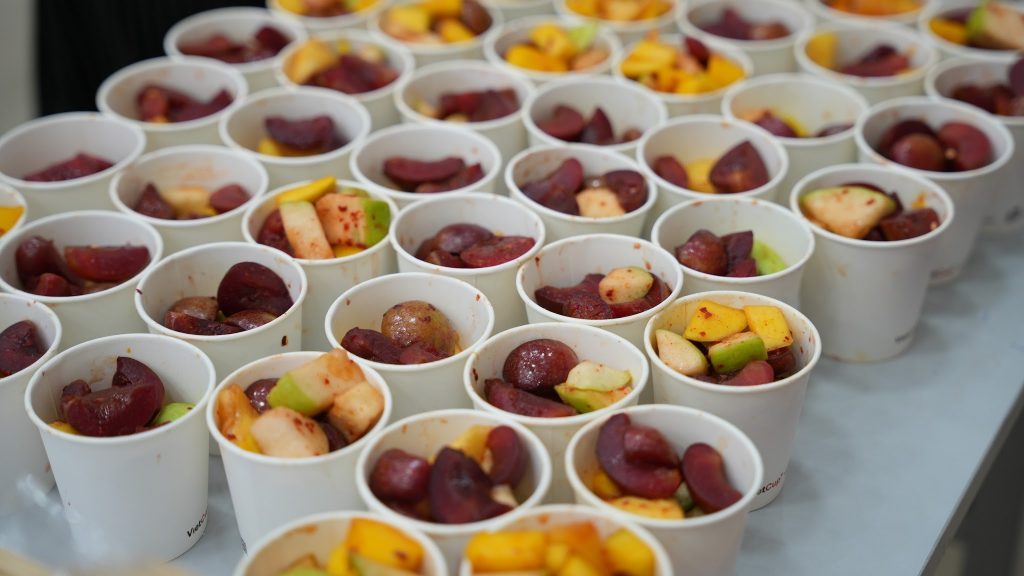
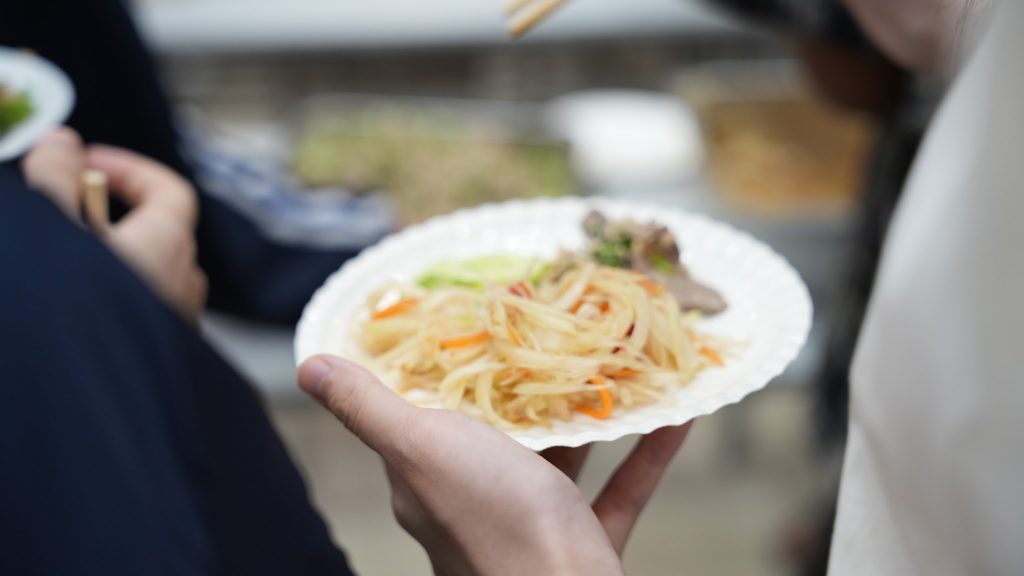
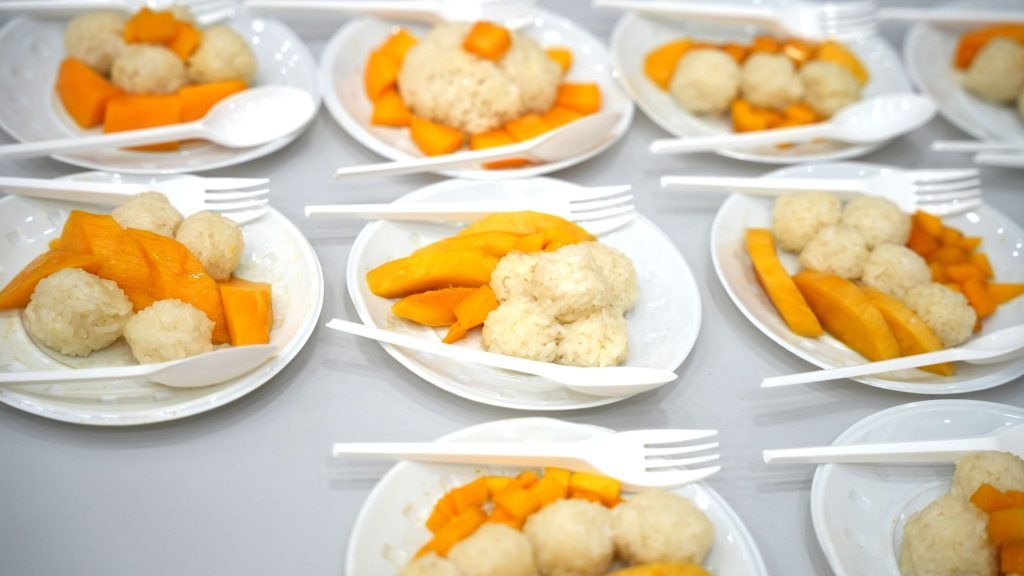
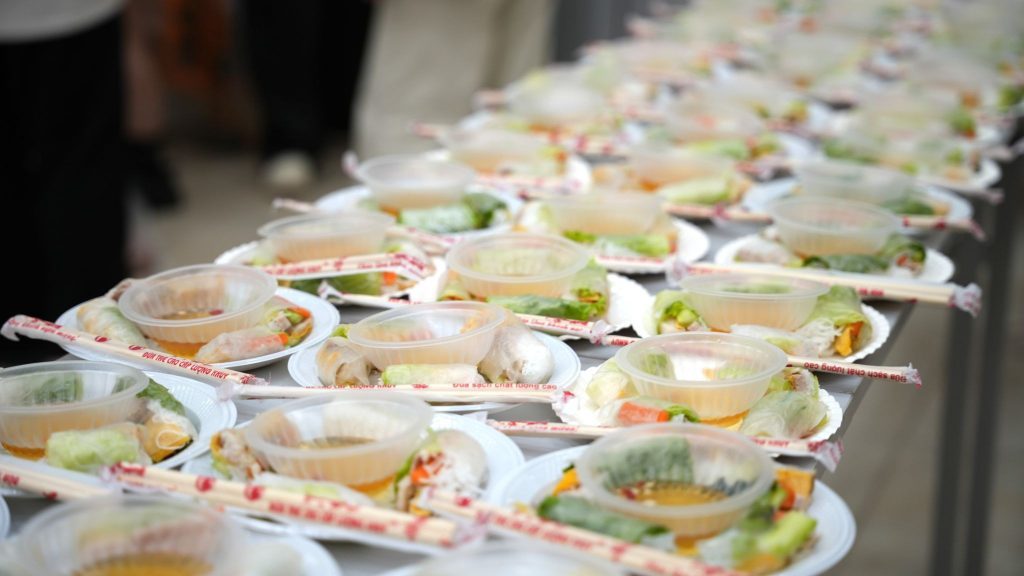
Following the cultural activities, students and guests enjoyed a variety of traditional dishes from several ASEAN countries. The culinary experience provided a friendly and interactive environment while allowing participants to discover the unique flavors and culinary traditions of Southeast Asia.
The program concluded in an enthusiastic and vibrant atmosphere, leaving many memorable impressions on participants. The ASEAN Cultural Experience Program 2026 not only enriched the learning environment at ULIS but also reaffirmed the important role of experiential activities in enhancing educational quality and promoting cultural exchange within the student community.
Phương Linh/ĐSTT